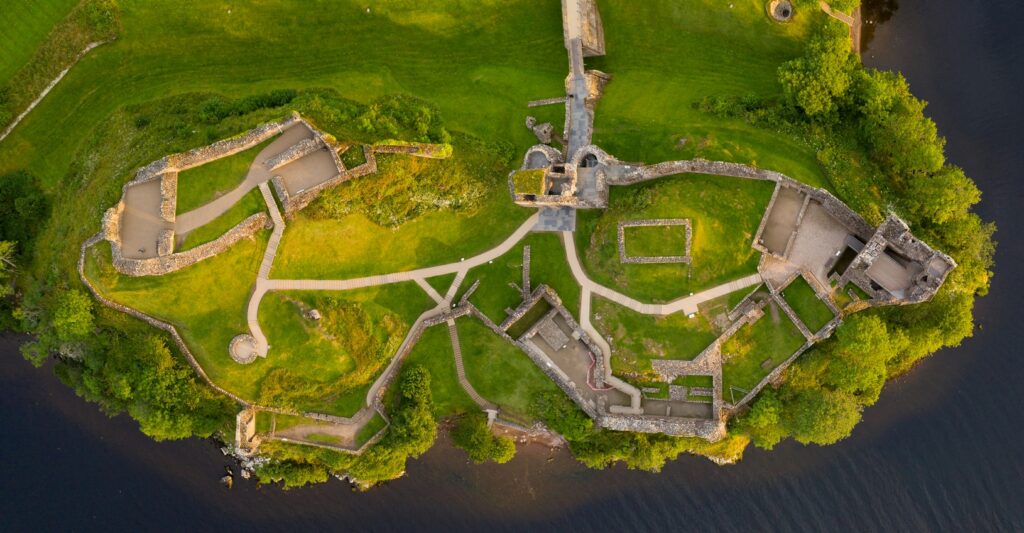
Urquhart Castle is an iconic site sitting on the banks of Loch Ness. With its ancient old stones comes many a tall tale and lively legend. It can be hard to sift the fact from fiction. Luckily for you, we are here to help debunk eight of the most interesting ones (in our humble steward opinions).
1. Witchy Games
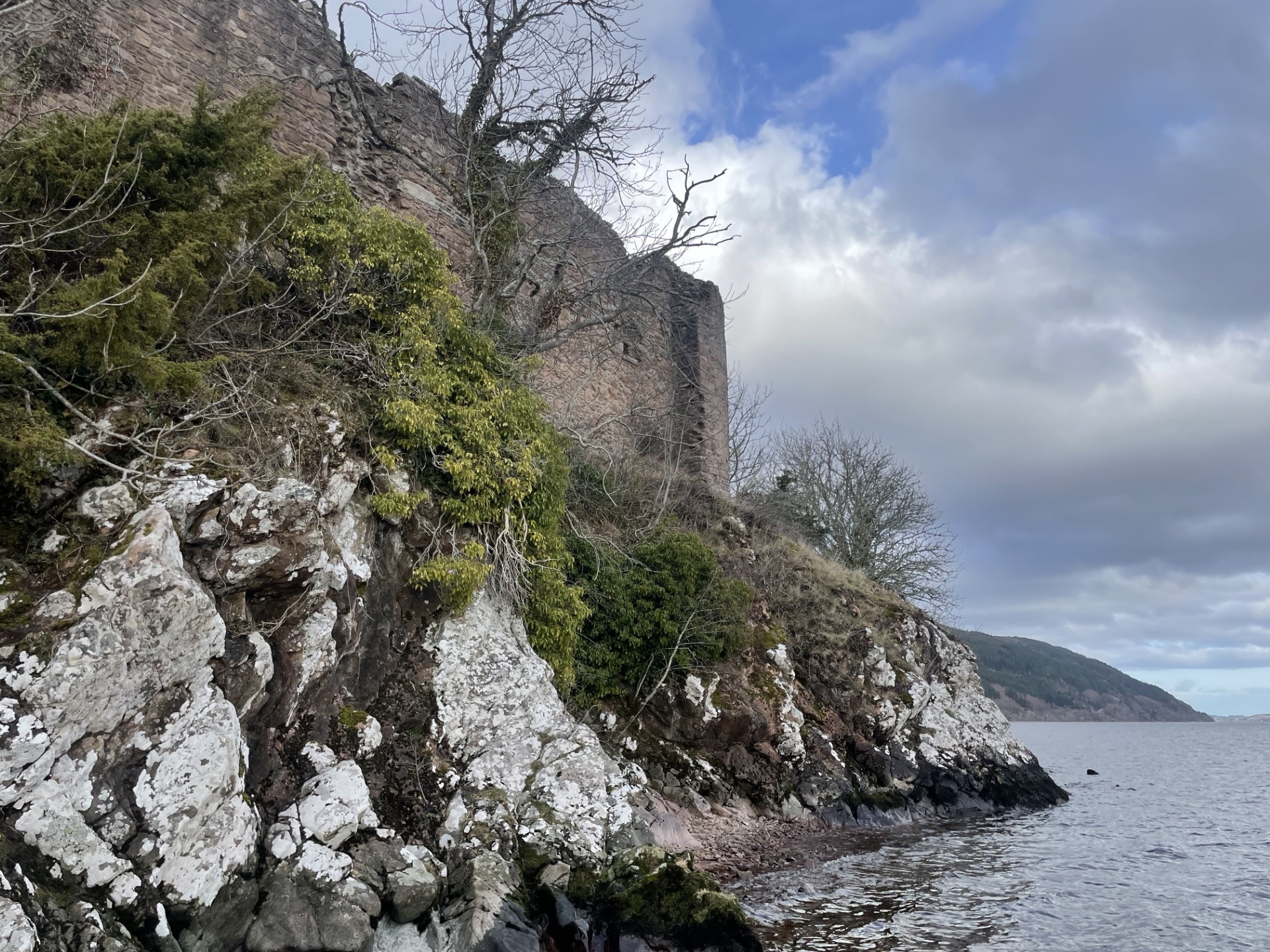
Growing up in the area surrounding Urquhart Castle, you come to learn lots of different local tales. One of our favourite ones is that once upon a time a witch left two boxes in the castle. One box contained treasures that would sort you out for life, and one box contained the plague. Essentially, you had to choose your fortune without knowing what would come next. These fates are apparently hidden underneath the castle, with another tale saying that there is a cave by the water with a box of treasure within. Could this be linked to the witch’s game too?
Unfortunately – or fortunately depending on how you look at it – none of us have ever come close to finding these so the tale still lives on. This story is very similar to the likes of Pandora’s Box. If you do come in search of some treasure, we hate to break it to you, but you might not be so successful given the castle’s explosive history – more on that later.
2. Spiralling Out
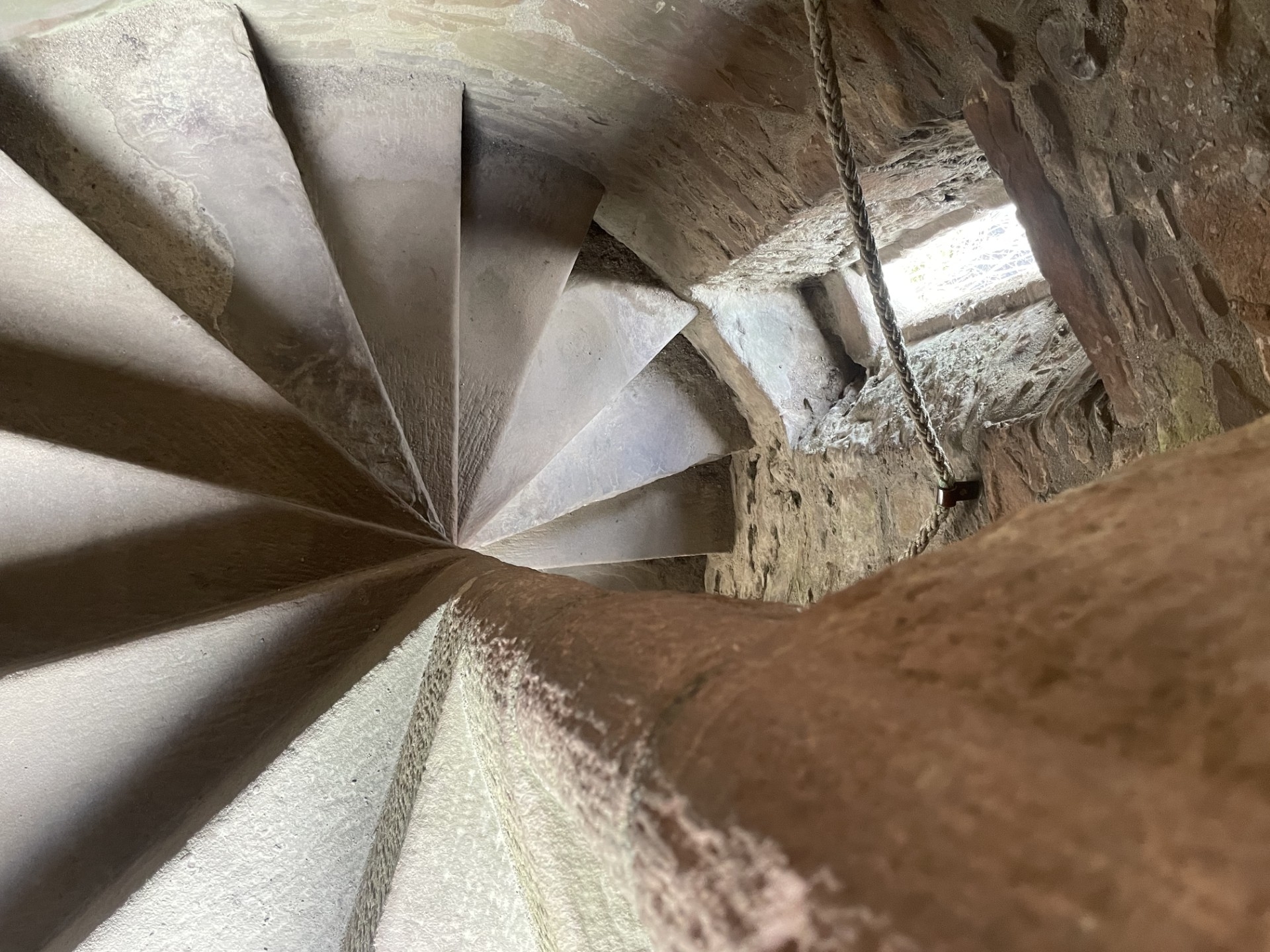
Urquhart Castle’s layout is like one large jigsaw puzzle with all the pieces jumbled up. This has proved a headache for historians and archaeologists trying to make sense of the castle. When some buildings were built and what their function might have been has proved elusive to try and answer. Fortunately, a vital clue can be found in the Grant Tower.
The eagle-eyed visitor will notice that the spiral staircase goes two different ways up and down the tower. This may indicate two different building phases to the tower with the lower section dating from the late 13th century and the upper to the 16th century. It is commonly believed that medieval spiral staircases were built in a clockwise direction for defensive reasons, restricting attackers coming up the stairs from wielding their weapons. Unfortunately, this is a myth commonly told. The reality is that the direction of staircases was mainly an architecturally stylistic choice.
3. Clash of the Clans
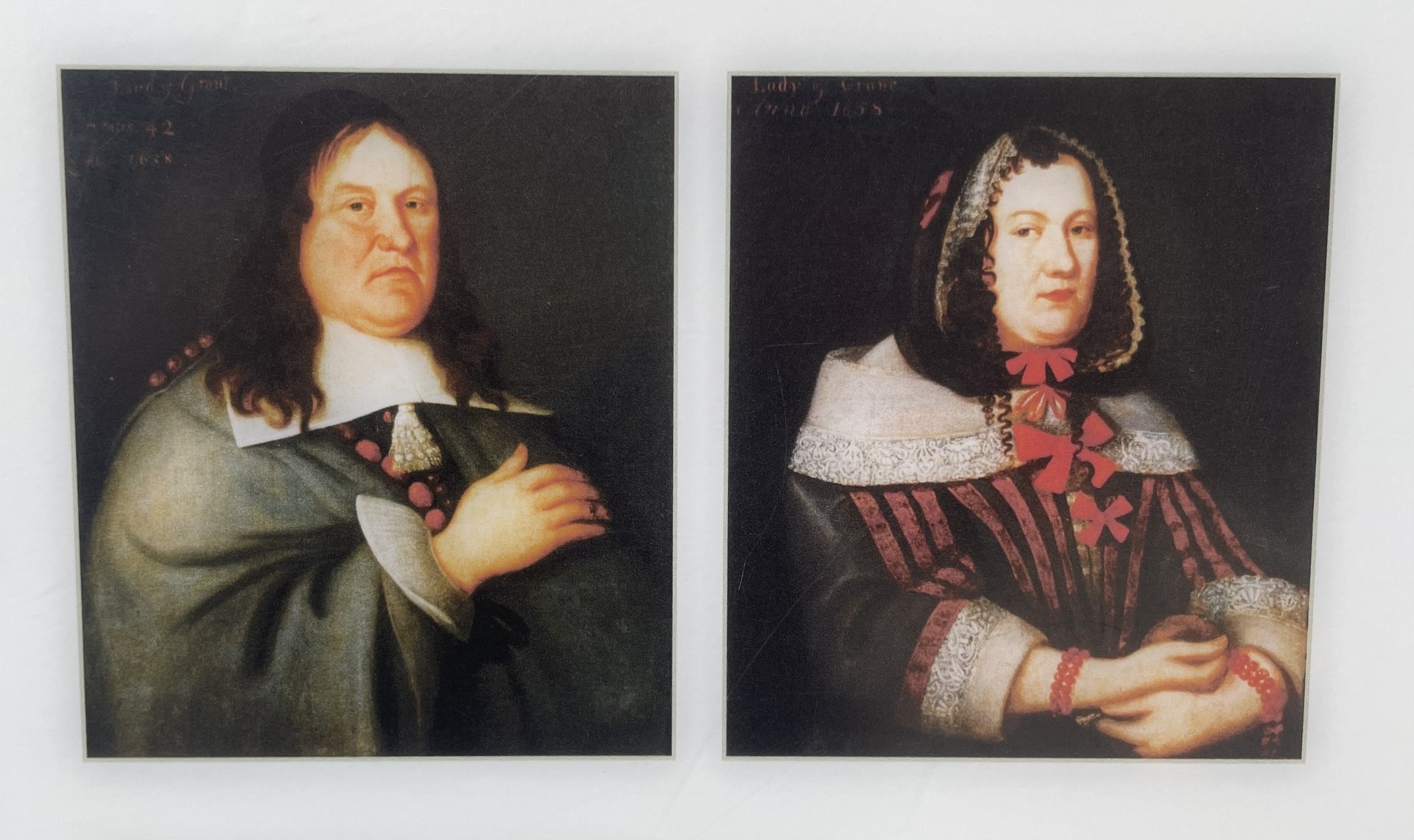
Contrary to popular belief, there have never been any Urquharts to live in Urquhart Castle. The clan most associated with the castle was the powerful and wealthy Clan Grant. The surrounding area to the castle is called Glen Urquhart so it’s only natural to assume that they would inhabit this castle once upon a time.
The first written record of the name ‘Clan Urquhart’ appeared in the early 1300’s. This was belonging to a man called William de Urcahrd, the first chief of the clan. This name was naturally passed down through the generations until approximately the early 1700’s when the first recorded Urquhart came about. This name change came from the last chief of the Meldrum line: Major Beauchamp Urquhart. The seat of Clan Urquhart belongs to Castle Craig which is a former fortress on the Cromarty Firth.
The name Urquhart originates from approximately the 7th century word ‘Airdchartdan’. This is a mix of the Old Irish word ‘aird’ (meaning point) and the old Welsh ‘cardden’ (meaning wood).
4. An Explosive Ending?
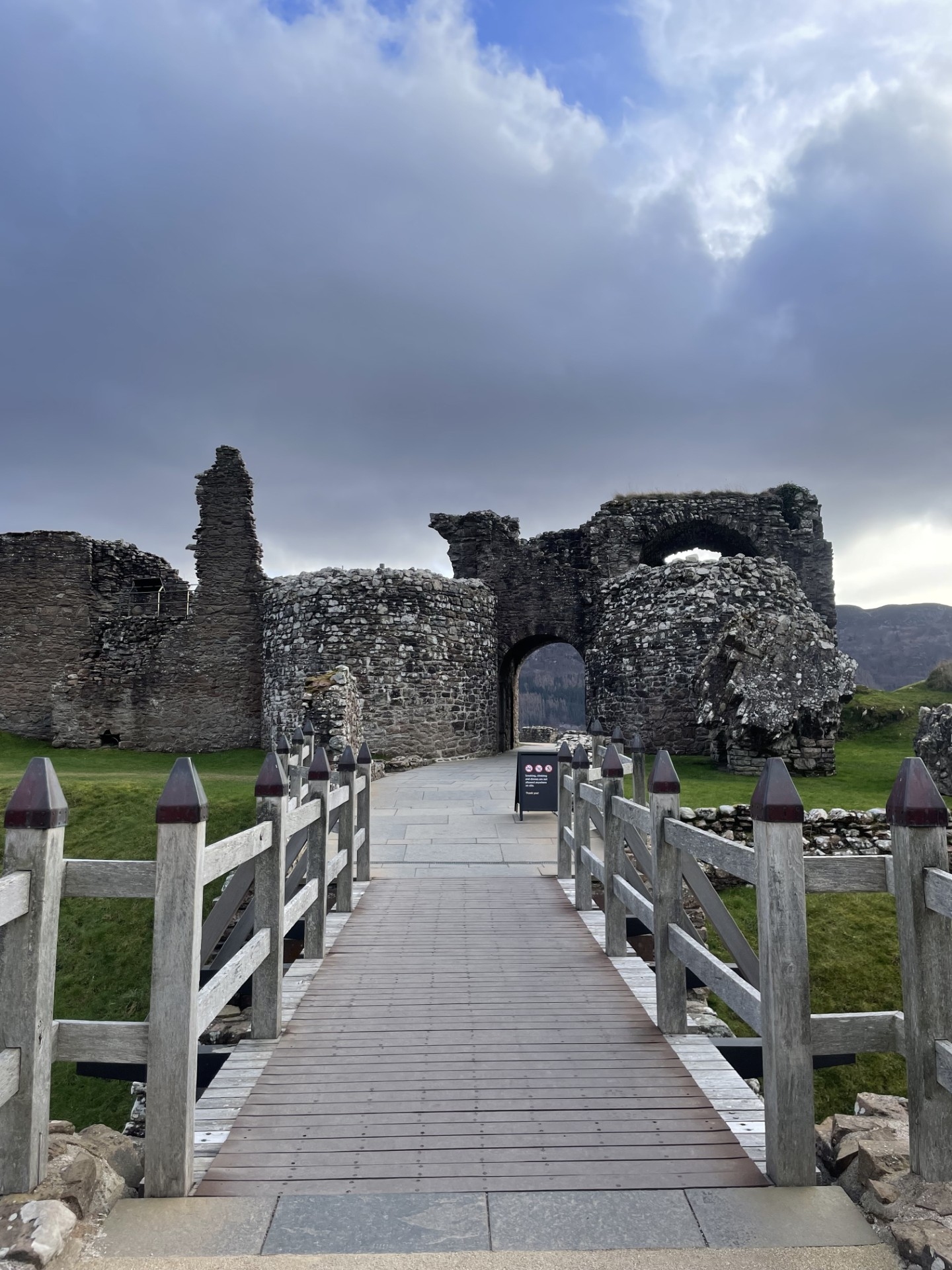
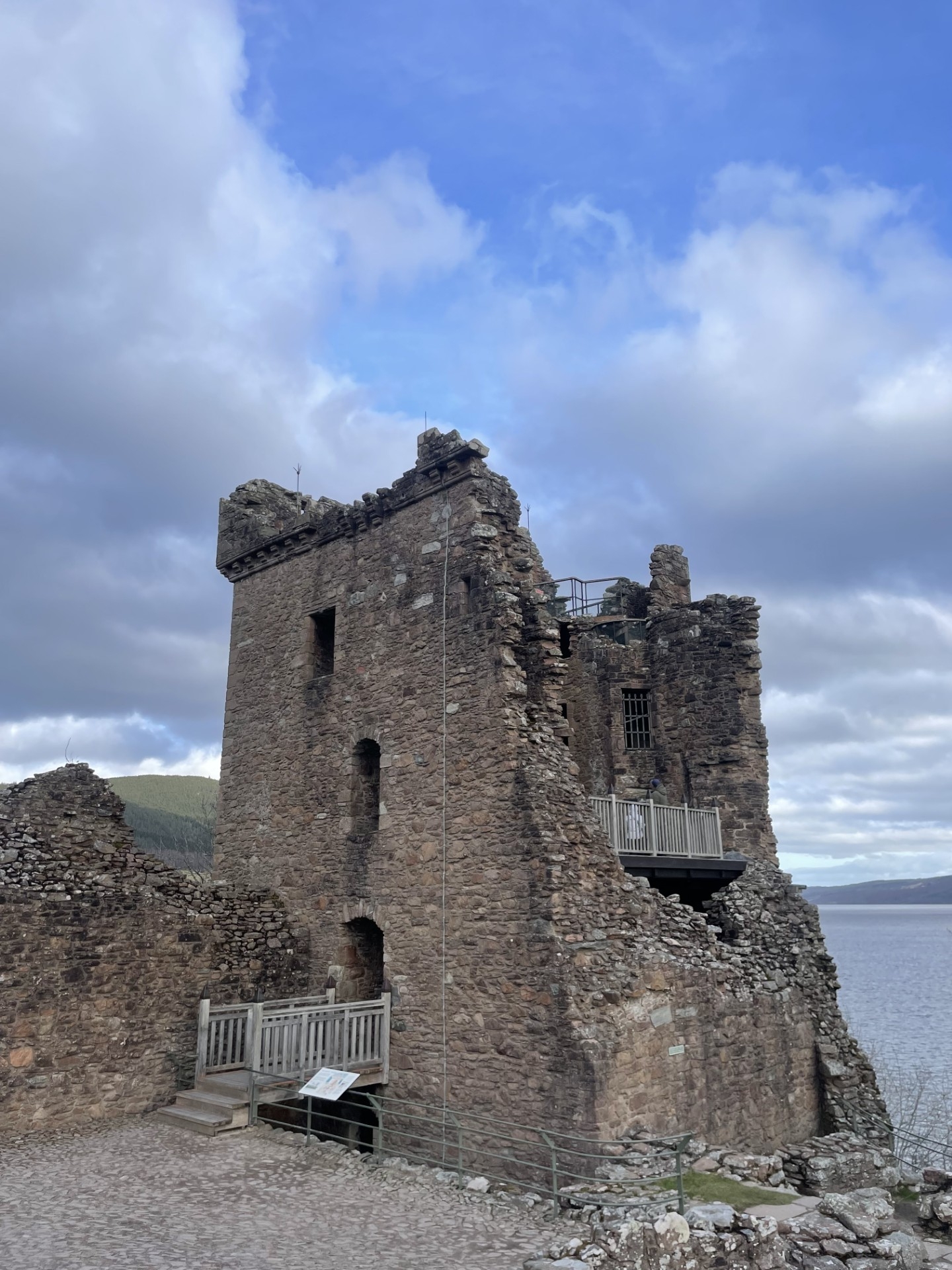
This is one of the most explored myths tied to Urquhart Castle! Was the gatehouse blown up or not? Many tales tell of the gatehouse being deliberately blown up in 1692 to prevent the Jacobites from claiming the castle as theirs. The shattered ruins are the focal point of the castle. However, there is no concrete evidence of the explosion ever happening due to there being no charred stone remnants. Could this have been cleaned up? Quite possibly. Did this ever actually occur? Come visit Urquhart Castle to make up your own mind.
5. When Is a Moat Not a Moat?
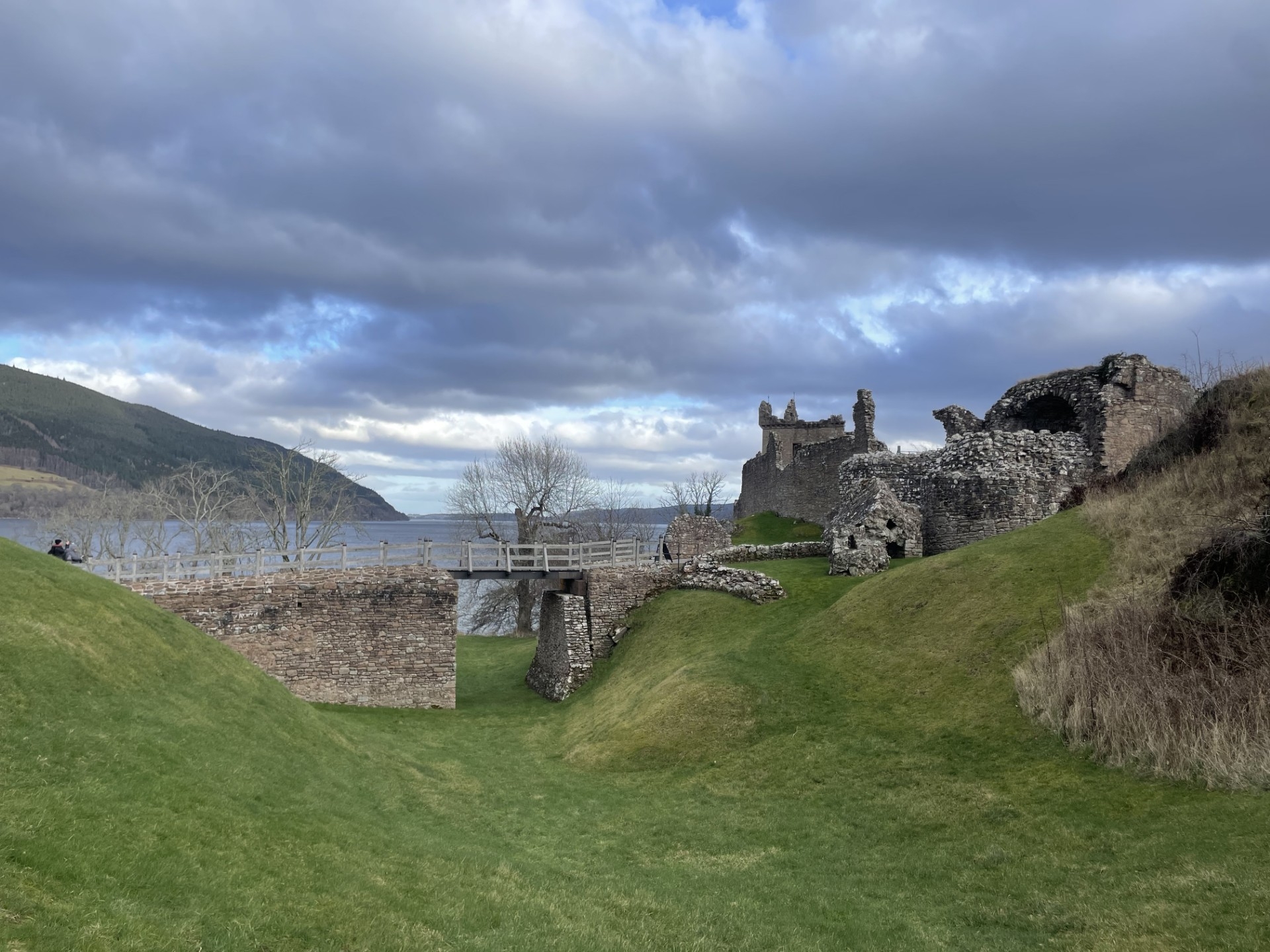
Urquhart Castle is surrounded by Loch Ness on one side and a 30-metre-wide moat. This moat never had any water in it and was never dug with the purpose of this. It was dug to act as a defensive barrier to the land facing the western side of the castle because the other three sides of the castle are naturally protected by the sheer drop down to the loch. It was excavated by hand out of solid rock approximately in the 13th century. This year is estimated as the castle’s curtain walls and gatehouse also date from this period.
The ditch was originally spanned by a wooden drawbridge which was later replaced by a stone causeway leading to the castle’s gatehouse which was guarded by the Portcullis. Today if you visit Urquhart Castle you can cross over the stone causeway to give you an idea of how life in this medieval castle would have looked.
6. Banished To the Deep
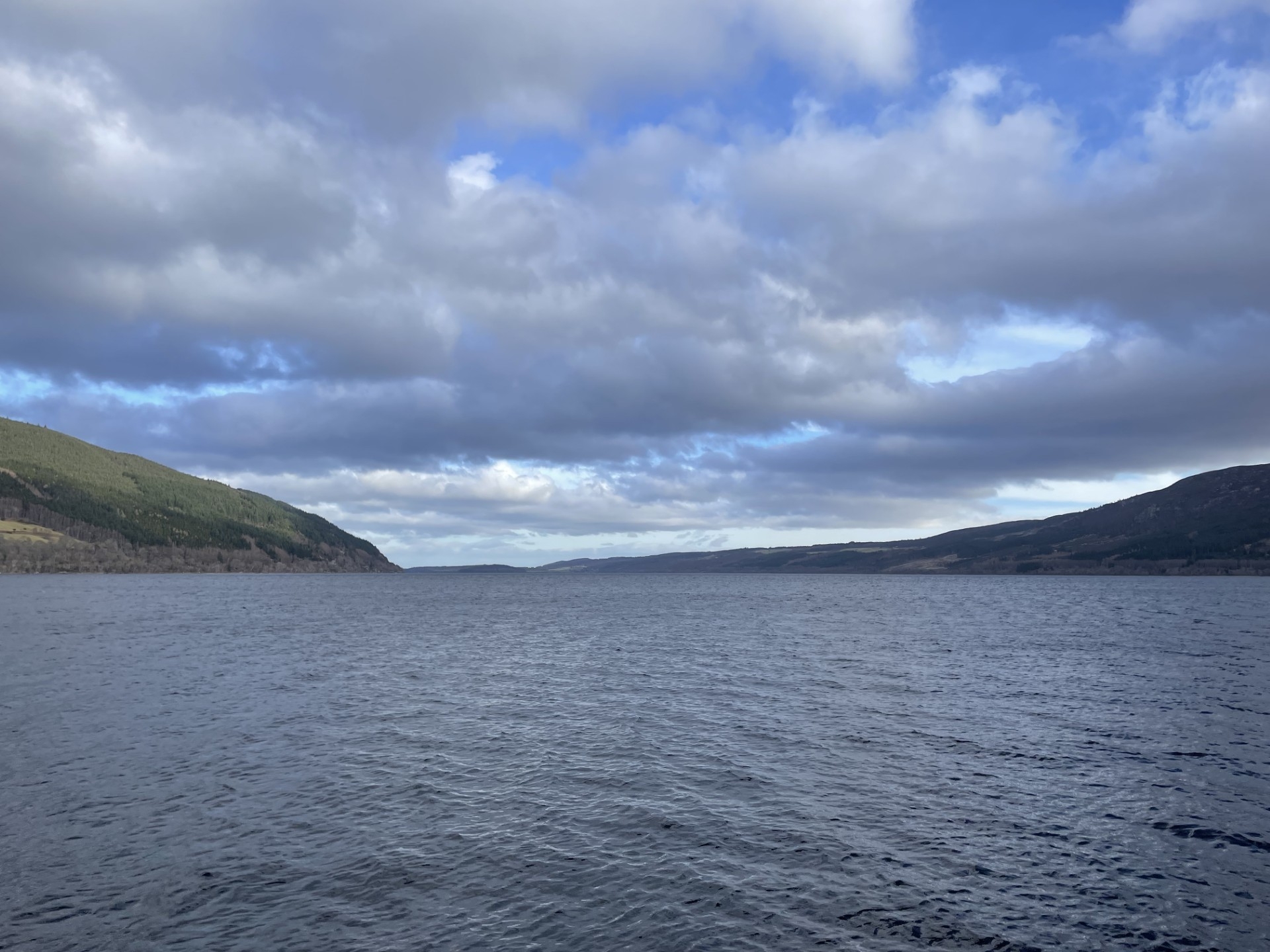
Of all the myths and legends which are associated with Loch Ness and the Great Glen, none has captured the public’s imagination as strongly as the Loch Ness Monster. Sightings of this mythical creature skyrocketed in the early 20th century, but did you know that the first sighting of Nessie may have been as far back as the 6th century?
The story told in Adomnan’s biography of St Columba, tells of how the Saint journeyed along the Great Glen to possibly meet with the King of the Picts in Inverness. Adomnan recounts how the Saint came upon group of locals burying one of their own. They tell the Saint that a water beast is responsible for the local man’s death. Upon hearing this tale, Columba sends one of his own monks into the loch to swim across in the hope of drawing the water beast out. Columba’s faithful monk obeys without hesitation. As he submerges himself in the water, the beast rears his head to claim his next victim, but as he does so Columba banishes him back to water.
Don’t forget to keep an eye out for Nessie while visiting the castle!
7. The Vikings Have Arrived!
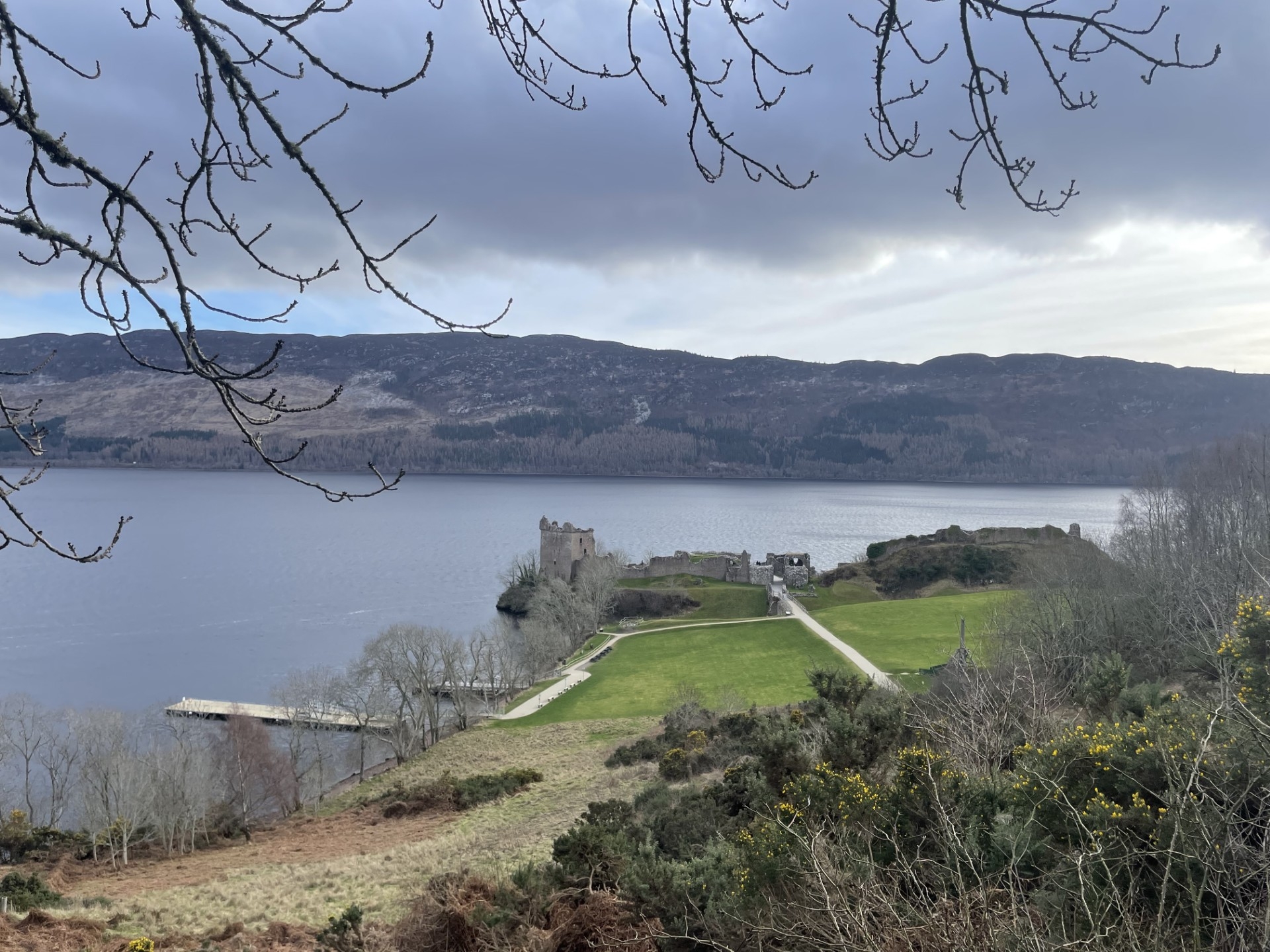
It is believed that Loch Ness was used by Vikings as a passage through the north of Scotland to get to places like Ireland. They may have sailed passed the settlement that would later become Urquhart Castle as we know it today. They maybe stopped off to refresh themselves after a long journey, or possibly to ransack those that lived within the walls. This is all speculation; however, it paints an amazing image in your brain of Viking longboats sailing down the glen towards the Grant Tower.
There is a Viking legend associated with a hill within the area close to the castle. This hill is named after a Viking Prince called Monaidh MacRigh Lochlainn. The hill is called Craigmonie Crag. Legend says that Monie son of the King of Scandinavia landed in North Scotland. After being cut-off from the rest of his fleet he retreated up the Great Glen to Glen Urquhart where he made his last stand at Craigmonie Hill.
8. A Fearsome Figure
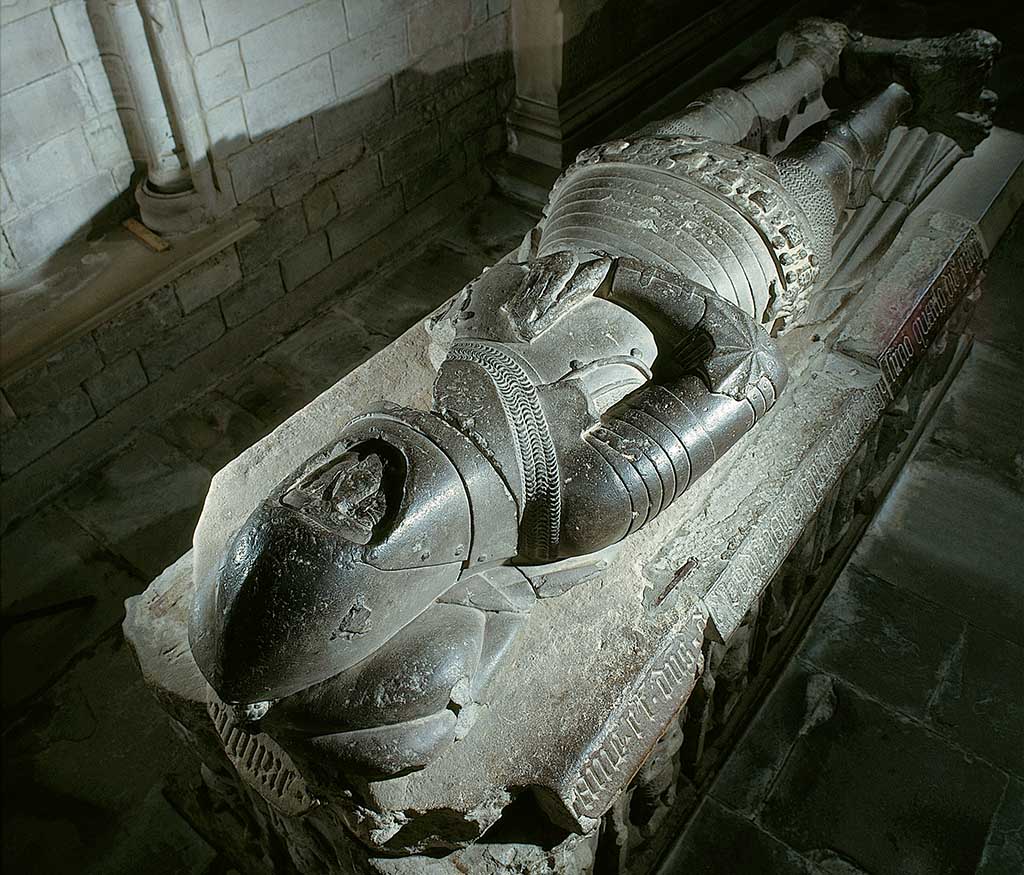
Alexander Stewart, known as the Wolf of Badenoch, was a controversial figure in medieval Scotland. The son of the Scottish King Robert II, Alexander consolidated his power in the late 14th century. He became one of the most powerful magnates in the Highlands. Most famously (or infamously depending on how you look at it) he was responsible for the burning of Elgin Cathedral as a reaction to his ex-communication from the church by the Bishop of Moray.
Owing to its strategic significance, Urquhart Castle was soon held by the Wolf. He used this mighty fortress as one of his strategic bases along the Great Glen. If you would like to find out more about this fascinating figure from medieval Scotland then check out our full blog about him. You can also visit Elgin Cathedral (only 1.5 hours from Urquhart Castle) to see the remains of this grand building once known as the ‘Lantern of the North’.
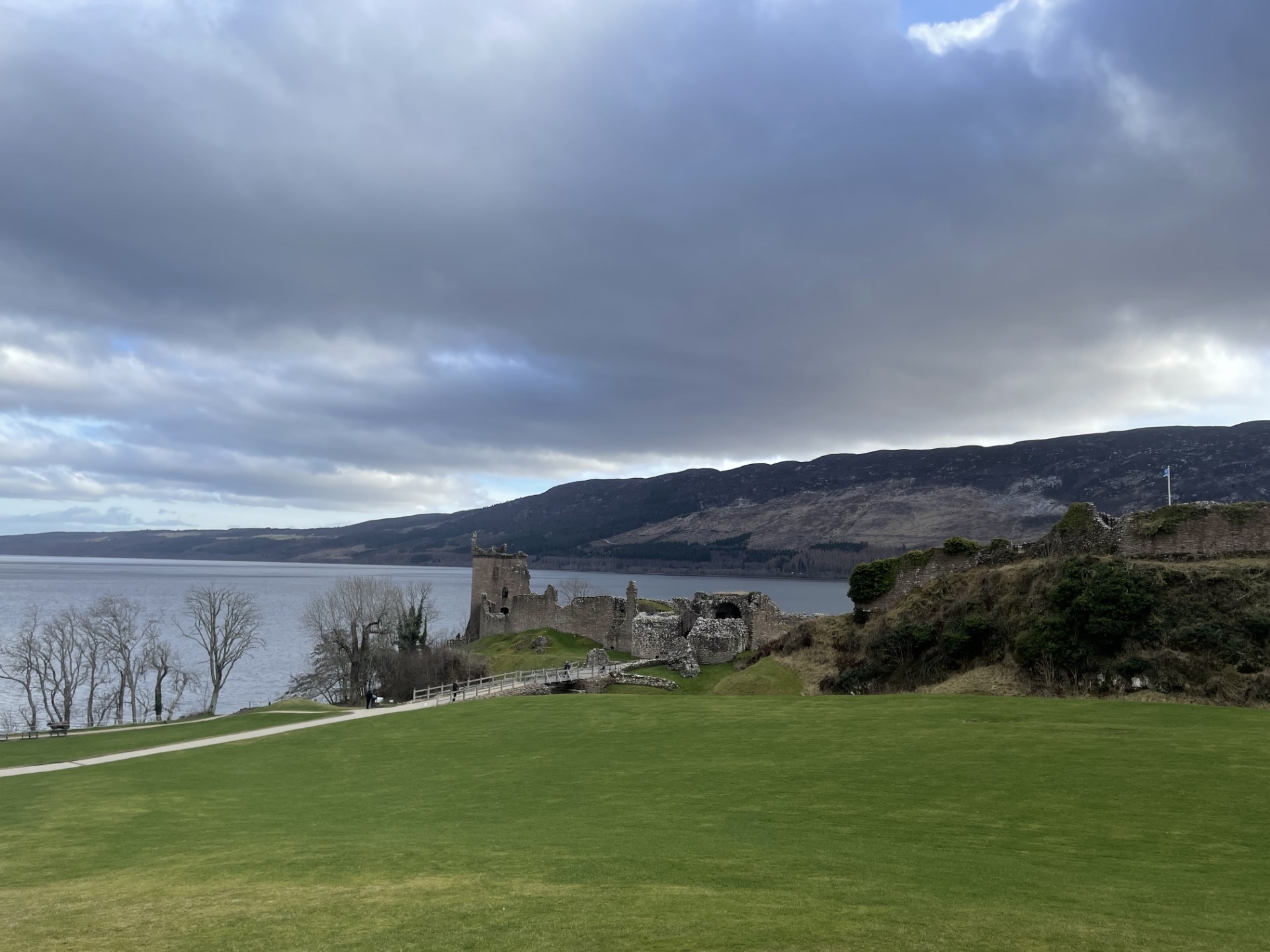
This is a topic that the three of us could write so much more about as there is so much content. Hopefully these eight tales have piqued your interest, and you will come to the castle to investigate for yourself. Come and see where these myths and legends originated from!
This post was written by three of our staff members at Urquhart Castle:
- Violet Francis – Retail Assistant
- Elaine Paull – Visitor Operations Assistant
- Paul Johnston – Steward
Share
About Author