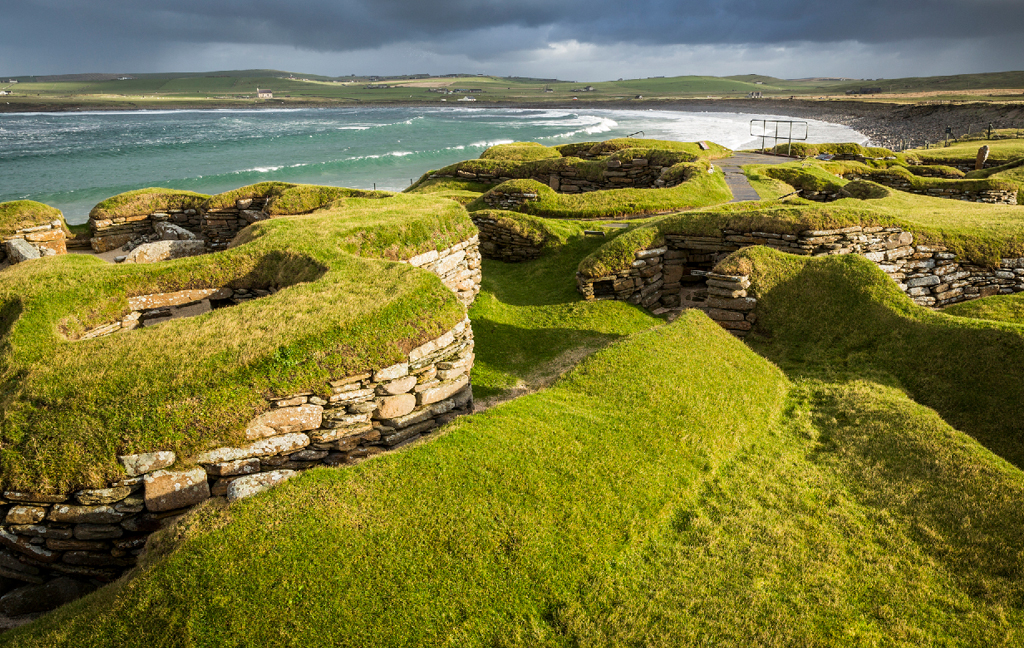
If you were to travel back in time nearly 5,000 years, before the formation of the Egyptian Pyramids and even Stonehenge, you’d find a village on mainland Orkney: Skara Brae.
This Neolithic village spent millenia safely buried beneath the ground, until a storm in 1850 eroded away some of the sand covering it. The remaining structure was found remarkably well preserved.
Today, it is:
- one of our most visited places
- inscribed by UNESCO as part of the Heart of Neolithic Orkney World Heritage site, alongside Maeshowe, Stones of Stenness and Ring of Brodgar
- part of the curriculum for Scottish school children
- and even earned a mention in the Indiana Jones franchise.
So, who lived there, and why is it important?
Life at Skara Brae
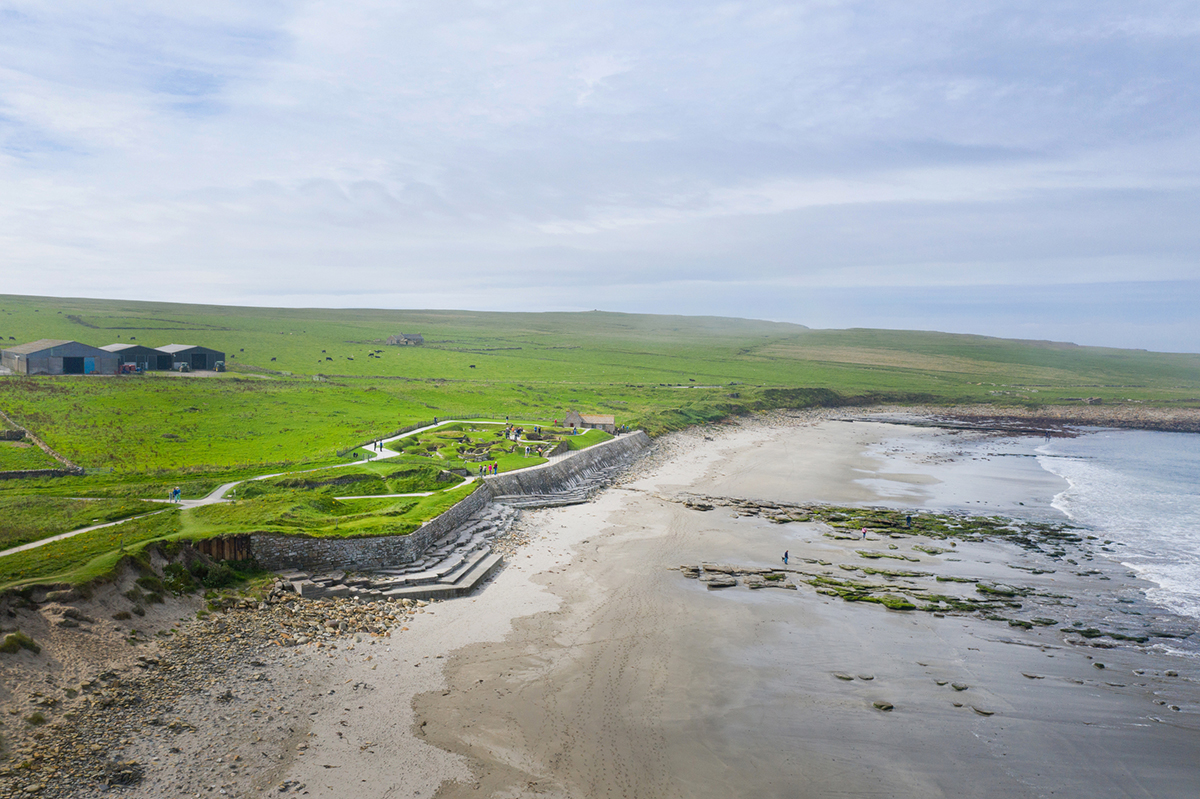
Like Barnhouse and Links of Noltland, Skara Brae is a ‘nucleated’ settlement, meaning the houses were clustered together instead of spread out, a comparatively unusual form in Orkney. Uniquely at Skara Brae, the buildings were connected by passageways, some of which were roofed.
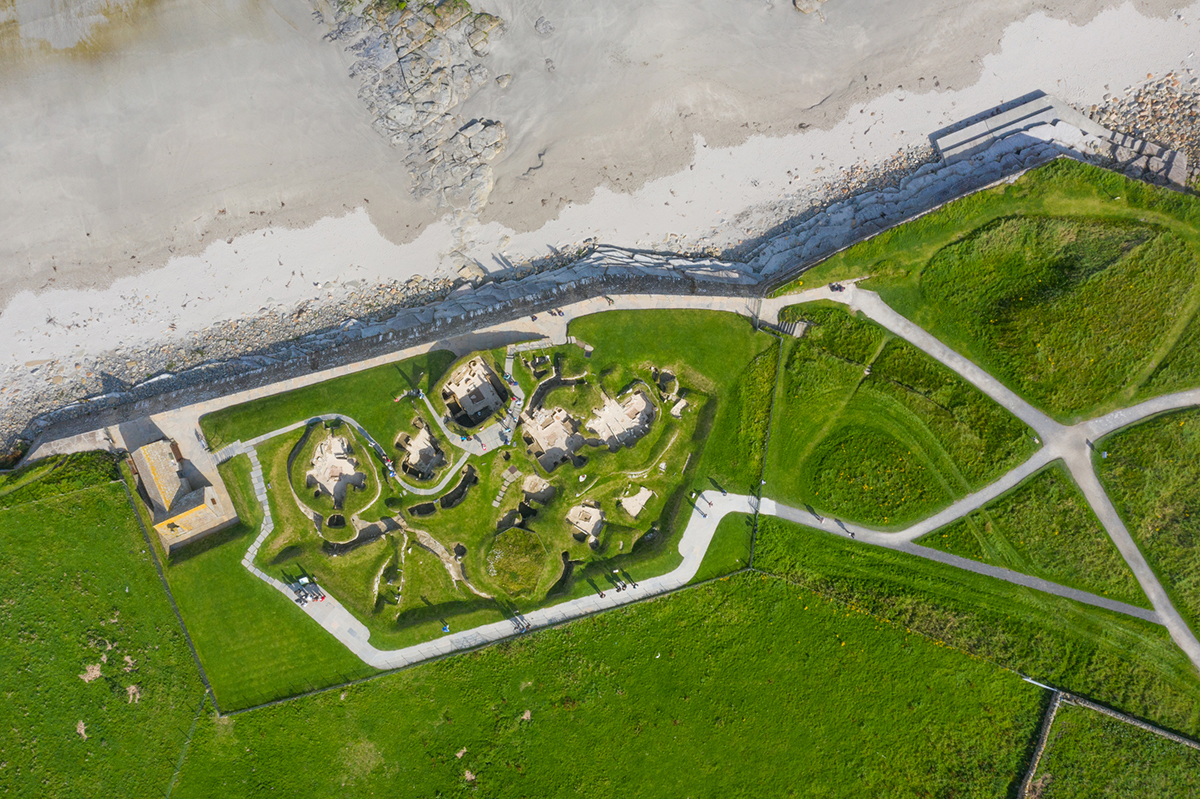
Aerial view of Skara Brae
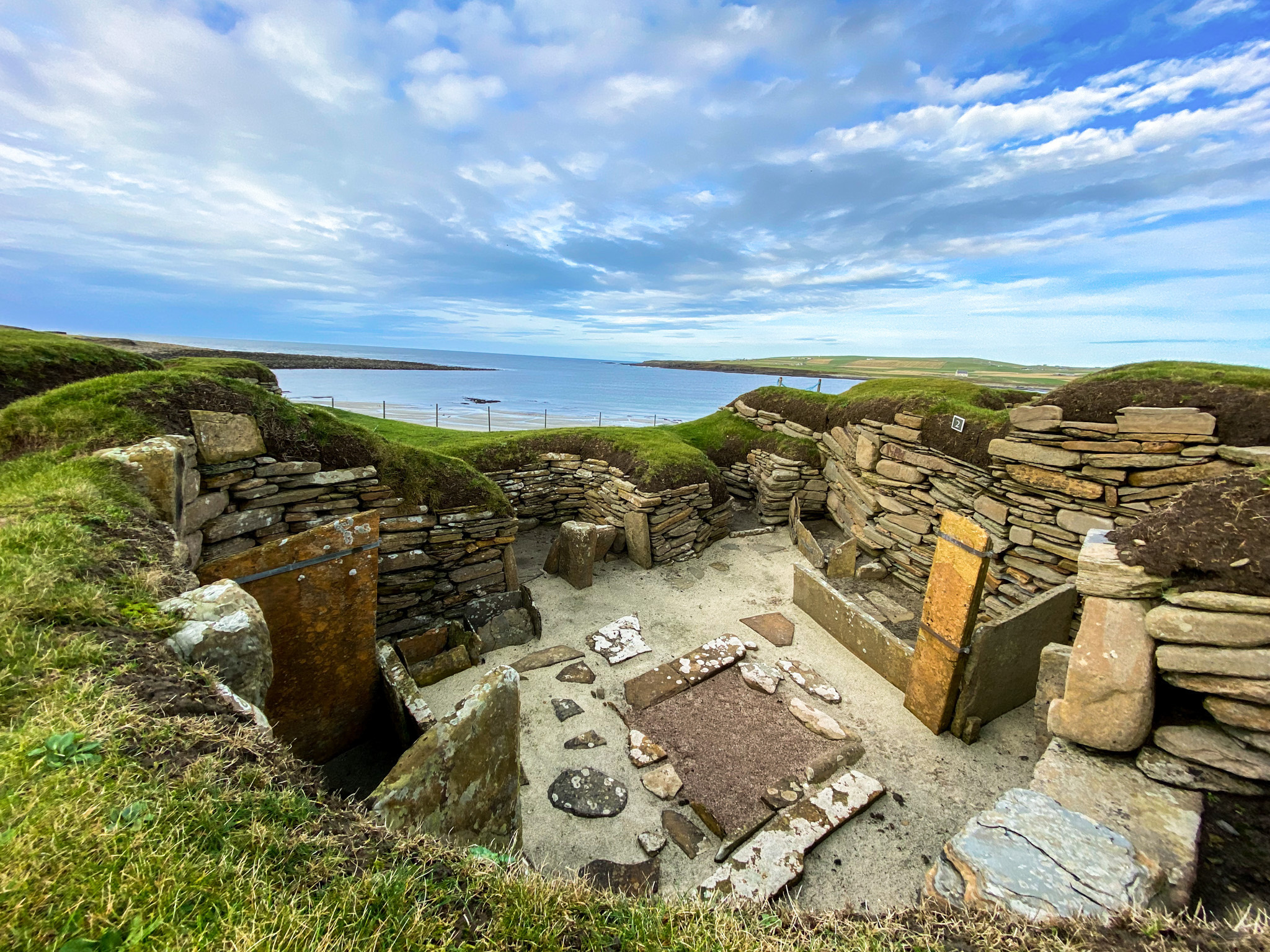
The houses were built from double-skinned drystone walling, packed in between with a mix of clay and other materials (including sand, ash and domestic refuse) which insulated and stabilised the walls. There is little evidence for the shape or materials of the roofs of the buildings, though suggestions include eel-grass thatching, stone, or even whalebone rafters.
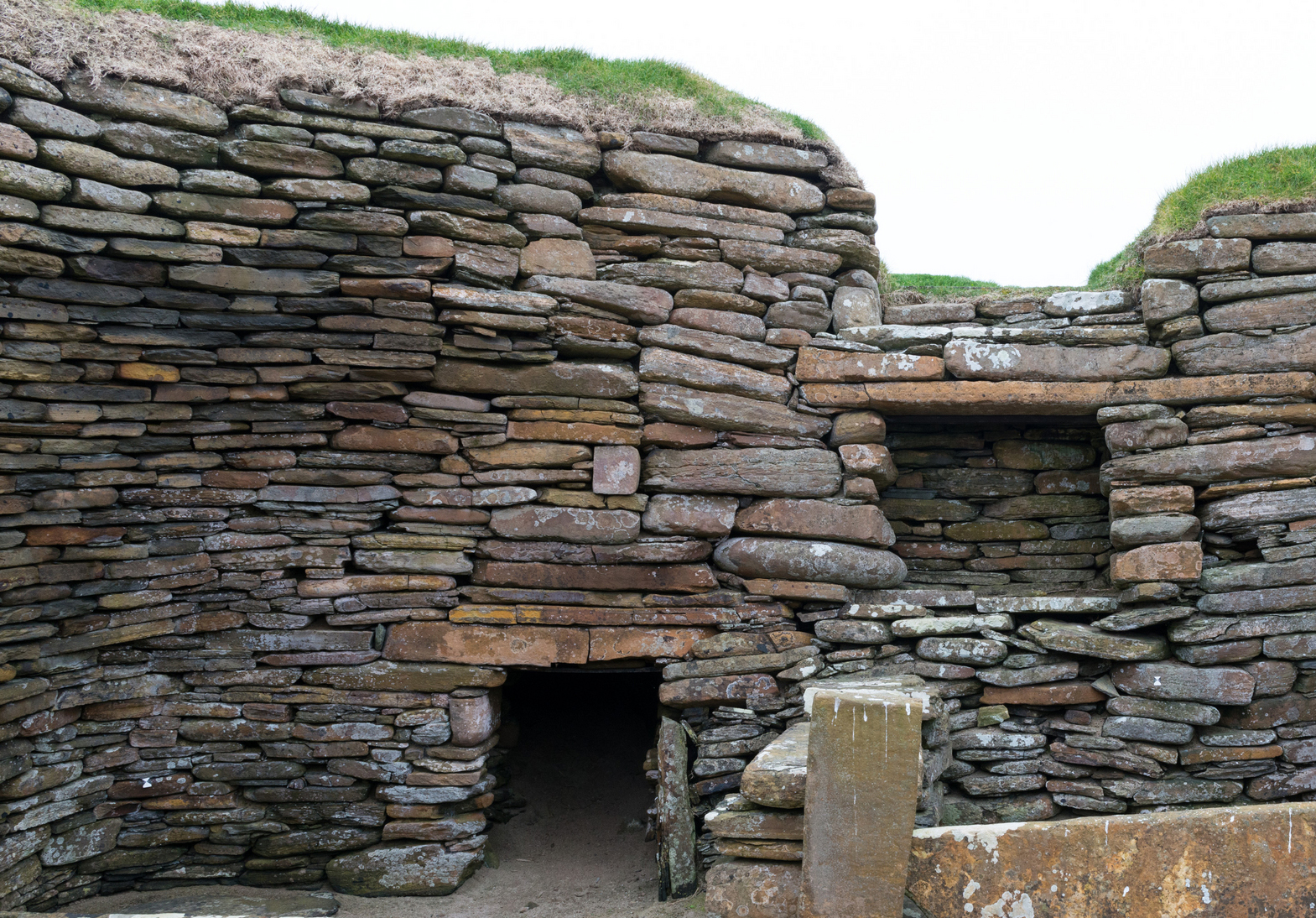
Drystone wall of House 1 at Skara Brae
Each house contained a bed, stone furniture and a central hearth. There were also watertight boxes set into the floors, perhaps used for storing fishing bait.
The closeness of the structures suggests that people lived in a small, close-knit community. Day-to-day, people would eat meats, berries, and grains. Bones found at the site lead us to believe the villagers of Skara Brae farmed cattle, pigs and sheep, alongside hunting and fishing to supplement their diet. Remains of crab apples, barley and hazelnuts found at the site.
Archaeologists have also recovered two dice-like objects, suggesting that the residents would often enjoy playing games with one another. Other findings like jewellery and pots show us the folk of Skara Brae were a creative community, with structure 8 interpreted as a workshop.
The fact that occupants used Grooved Ware, wore ostentatious jewellery and had a variety of carved stone objects – interpreted as symbols of power – might signal they were elite members of society.
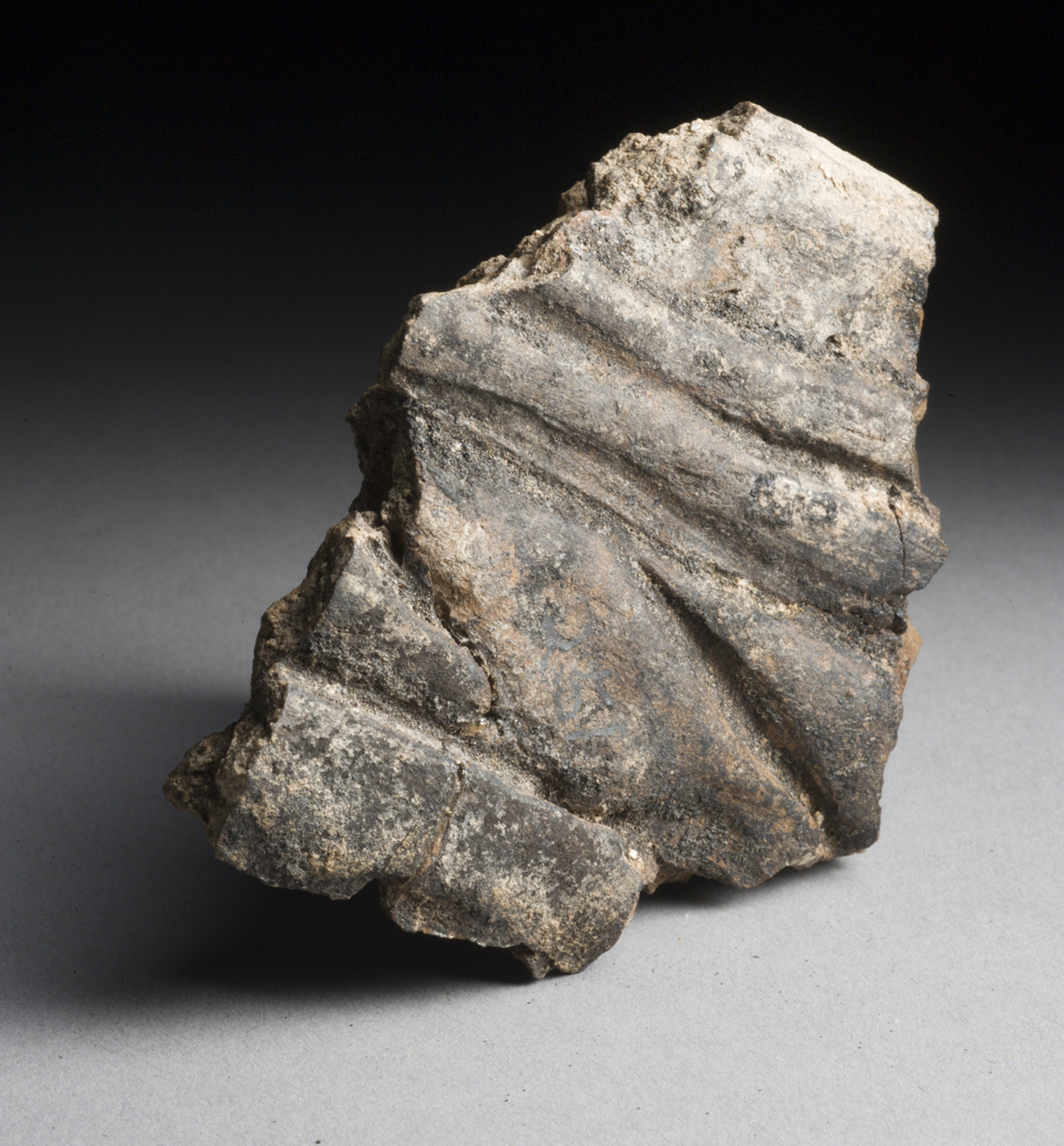
Grooved Ware pot shard
House 7
House 7, detached from the others, is the best preserved. It has a stone door which could be locked from the inside, and inside the house are decorative carvings in the stone, also found in structure 8.
Two female skeletons were buried in a cist – a stone-built grave – underneath the floor of the house, apparently before the house was built. Archaeologist Vere Gordon Child interpreted this as a ‘foundation deposit’, or ritual burial.
This house is closed to the public to protect it from erosion, but you can explore a 3D model of it online and visit a replica on site.
Rediscovering a lost village
In 1850, strong winds and high tides swept away sand and vegetation to expose the outline of ancient housing structures.
An archaeologist (and relative of the local laird) named William Watt led a team to explore the site. They uncovered four houses and a passage, and excavated a collection of objects.
In 1924 the site was taken into State care. Another severe storm destroyed the remains of House 3 that same year. A sea wall was built to protect the site from further damage, and during this work more buildings were uncovered.
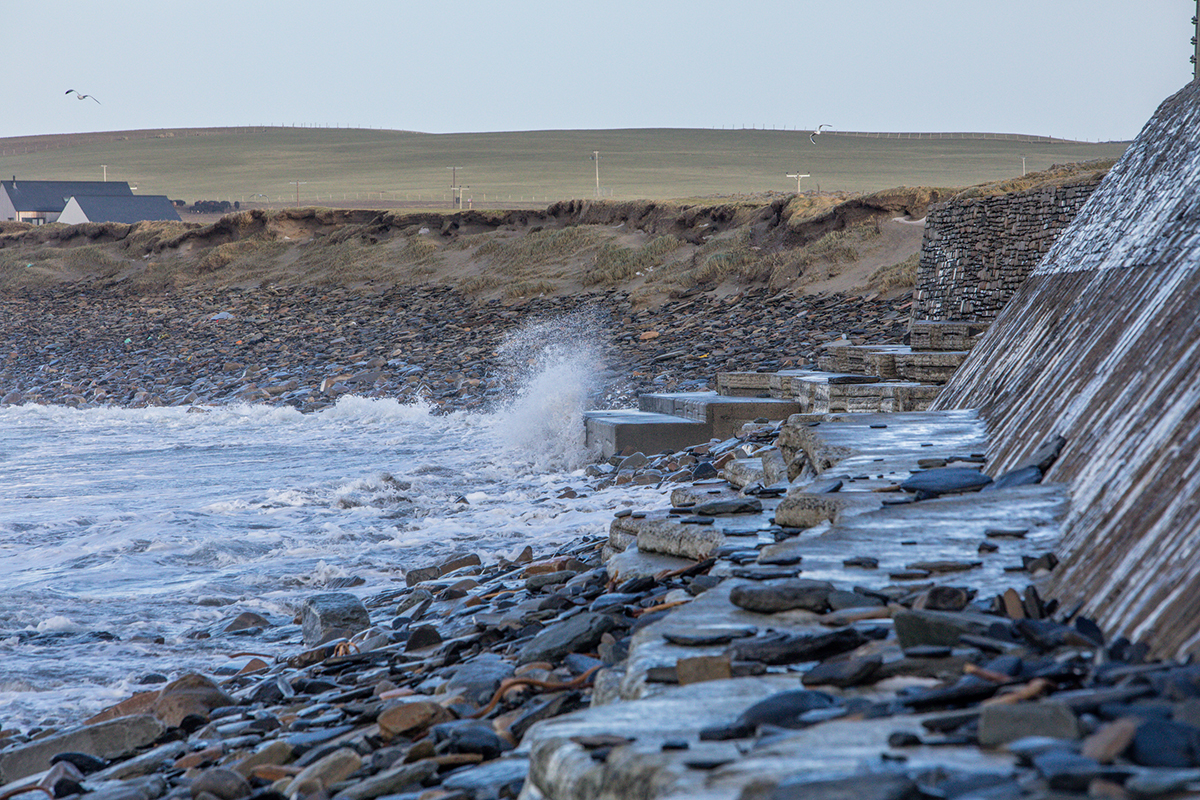
From 1928, additional excavations led by Gordon Childe revealed more houses and passages, as well as tools, pottery, jewellery, and ornaments. The lack of weapons found at the site seems to suggest that residents lived a peaceful life, focusing on farming and craftsmanship.
Childe published a book in 1931 describing the village as Pictish, but just a few years later in 1936 it was recognised as being even older than that.
But it was in the 1970s, over a century since Skara Brae had been uncovered by the storm, that the first radiocarbon dates from the site confirmed it as being Neolithic.
The remains of 28 structures have been discovered at the site, with 10 currently visible, though we do not know how many were lost to coastal erosion before the discovery of the site.
Why was Skara Brae Abandoned?
Skara Brae was abandoned around the middle of the third millennium, but we don’t know exactly why.
At one time, a popular theory suggested that the villagers abruptly fled to escape a looming sandstorm. But more recent research indicates that the process may have been more gradual, possibly spanning over 20-30 years.
Around 2500 BC, the weather in Orkney shifted towards colder and wetter conditions. These climate changes may have impacted the villagers’ desires to relocate to areas with better agricultural and living conditions.
Other factors include a change in social order around the middle of the third millennium, plague, or some form of pandemic.
Why is Skara Brae So Important?
Skara Brae offers us insight into what was like in Scotland thousands of years in the past.
Alongside Maeshowe Chambered Cairn, the Stones of Stenness and the Ring of Brodgar, it’s part of the UNESCO Heart of Neolithic Orkney World Heritage site. The listing recognises them as some of the most important Neolithic sites in Western Europe.
The artefacts and structures uncovered help us to understand how Neolithic people lived through the building of their homes, the work they did and tools they used.
What can you see?
If you visit today, you can find out about daily life at Skara Brae through an exhibition and go inside a replica of a Neolithic house to see how the full interior may have looked.
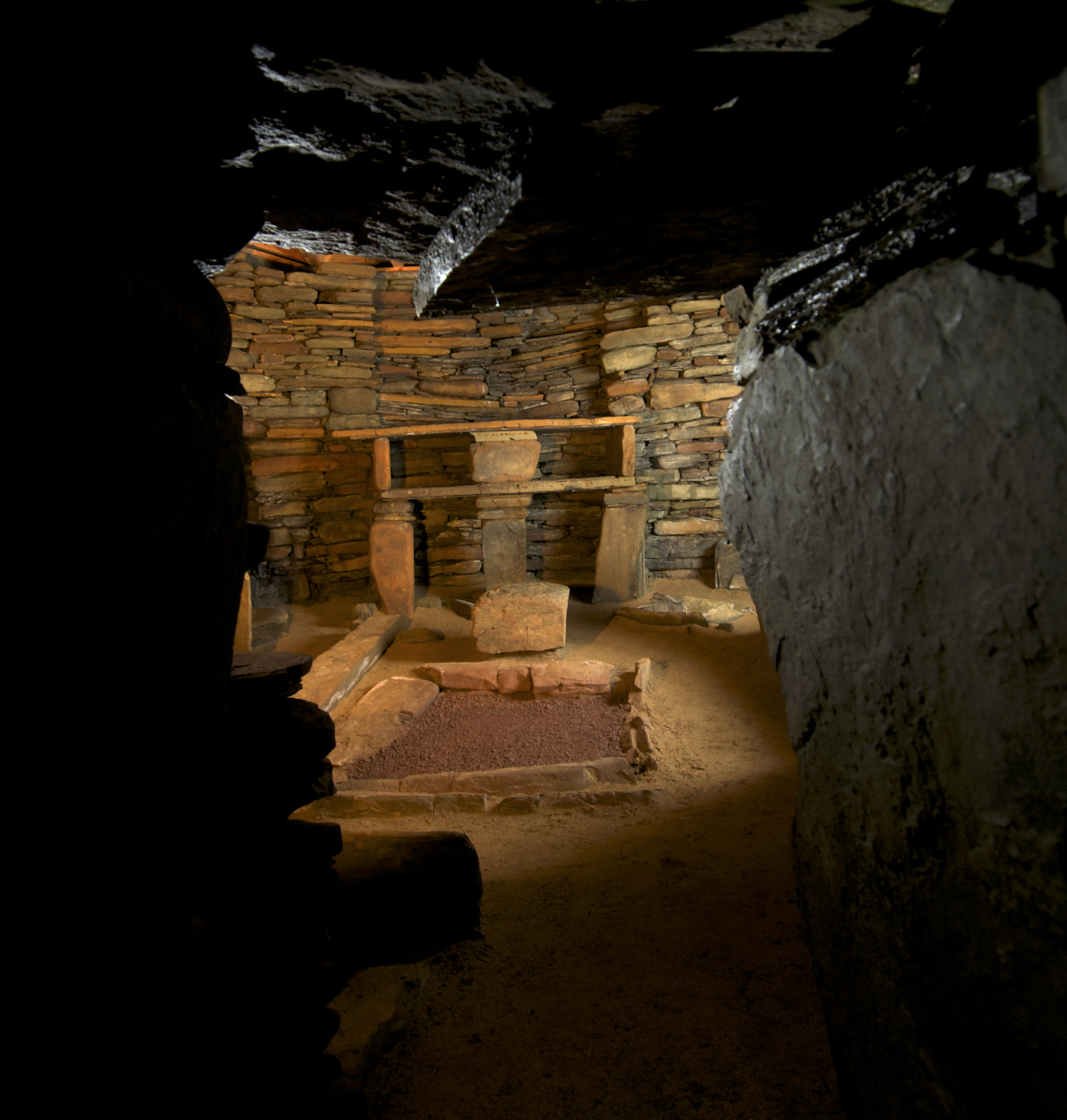
After that introduction, you can travel back in time along a path that overlooks each of the homes, including original furniture crafted over 5000 years ago.
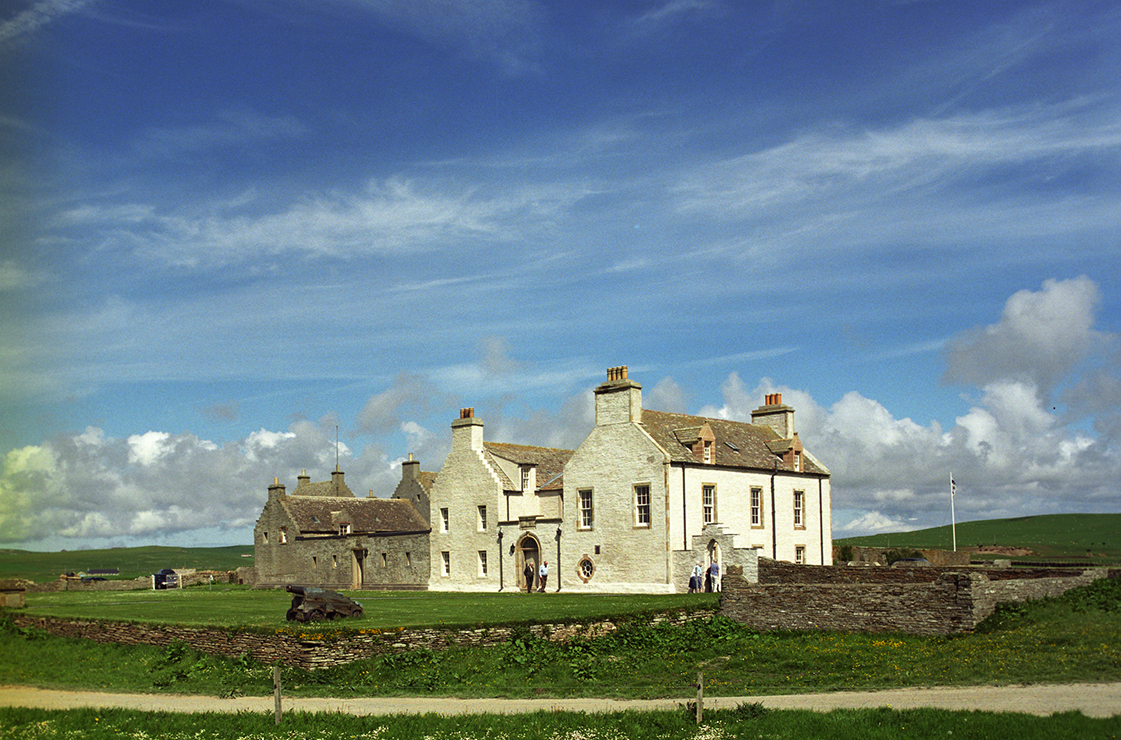
On one side of the settlement there is the beautiful white sand of the Bay of Skaill. On the other there’s farmland and Skaill House, a 17th century mansion, which you can visit for free if you buy a ticket to Skara Brae.
This post was written by Yasmin Kong, a work experience student studying at George Heriots, with support from our Cultural Resources and Digital Content teams.
Share
About Author