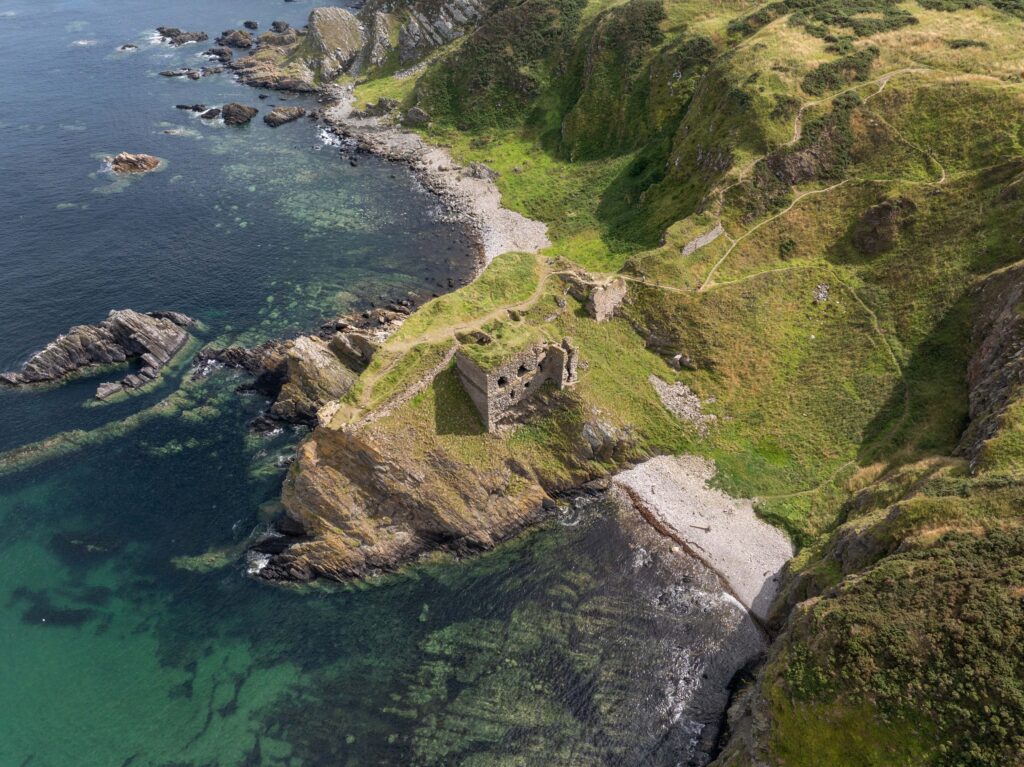
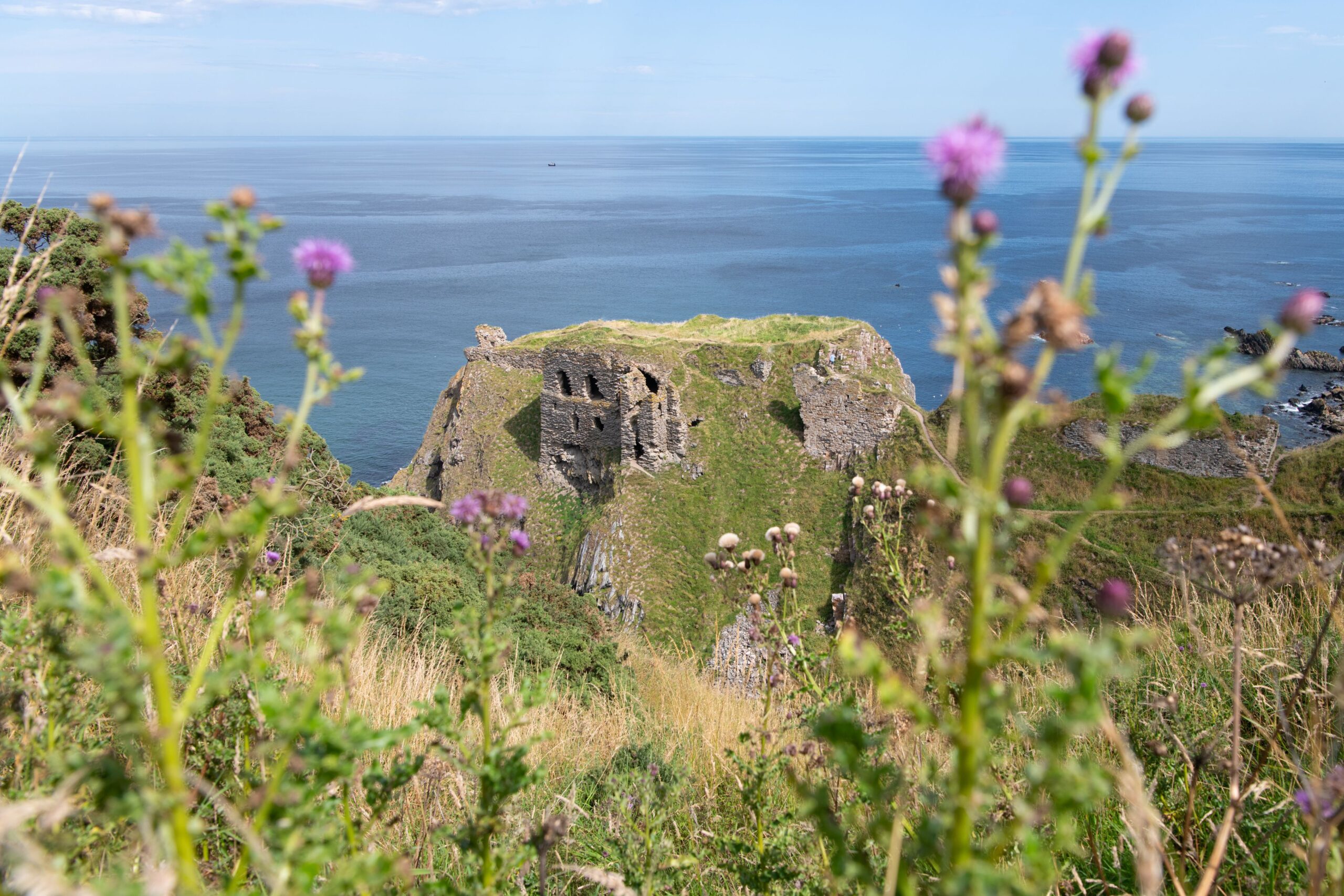
The striking remains of Findlater Castle, a stone castle clinging to the cliffs on the Moray Coast, are the first hint of the incredible history of this place. The first mention of a defensive structure here in the historical record comes from 1246 AD. This windswept castle has seen a lot of action over the past 800 years!
A castle on the cliffs
It is impossible to understand Findlater Castle without talking about its setting. Findlater’s name comes from the Gaelic fhionn leitir meaning ‘white hillside’. The cliffs which the castle has been built onto have seams of white quartz running through them. This promontory extends into the Moray Firth, with cliffs rising up to 30 metres from the water. The castle overlooks a sheltered rocky bay. The people that built Findlater Castle chose this spot for very good reason.
Many of Scotland’s castles have been built on the coast. This allowed castle dwellers of the past to keep an eye for potential trouble from the sea, protecting their lands from potential invasions. Cliffsides also acted as a natural defence against any attacks on the castle. We see this in action at Castle of Old Wick, Tantallon Castle and St Andrews Castle.
Defence was clearly very important to the builders of Findlater Castle. As well as the natural protection provided by the cliff faces, access from the land was heavily controlled. People could only get to the castle by going over a narrow causeway, on top of a natural ridge. Two large ditches were cut into this ridge, which could only have been crossed by wooden bridges. These bridges could be taken up to block access to intruders. A pit was dug outside the entrance to the main hall. This would have been boarded over normally, but this could be taken up in times of attack, leaving would-be invaders stuck outside!
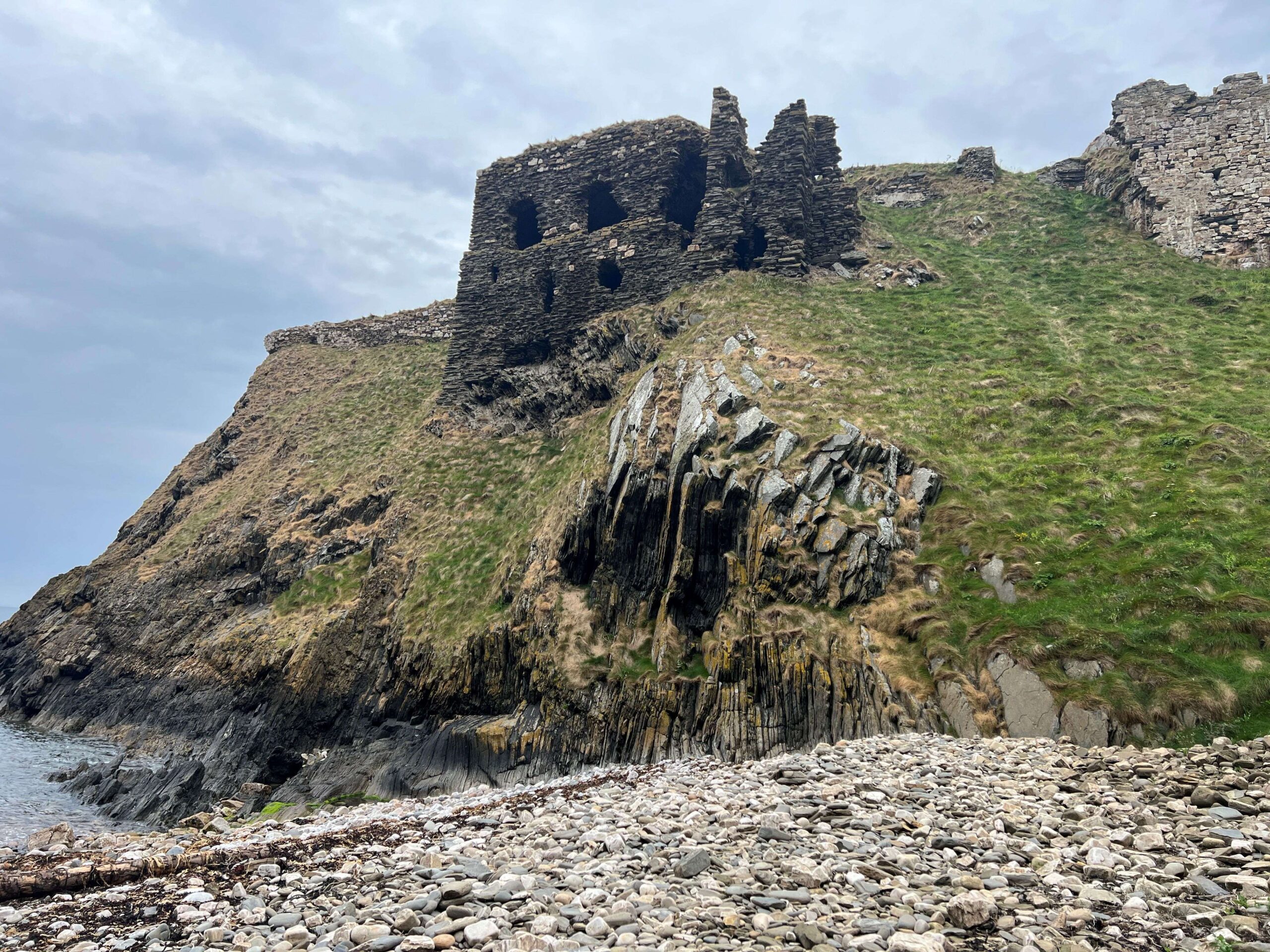
The remains of the main hall.
Wartime and Norwegian Occupation
Findlater Castle pops back on to the historical record in the 1260s. King Alexander III sent an order for a group of coastal fortifications to be repaired and strengthened, worried about incoming Norwegian forces. This was during the period of the Scottish-Norwegian War.
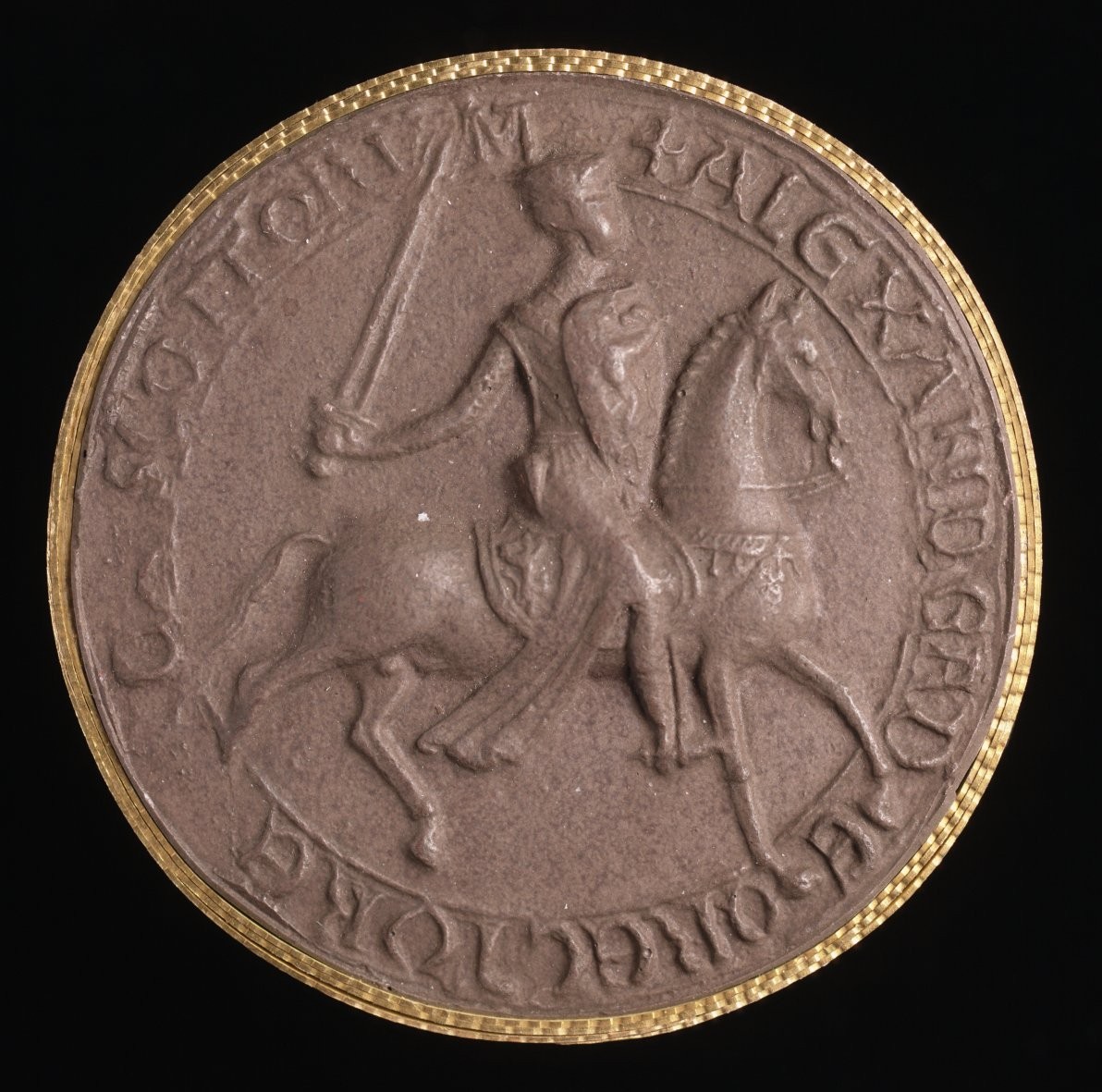
Seal impression of Alexander III, dating from around 1249. Licensed by National Museums Scotland. View on trove.scot.
The Scottish-Norwegian War lasted from 1262 to 1266, with the conflict based around ownership of the Hebrides. At this time, Orkney, Shetland, the Hebrides and the Isle of Man were all part of Norway. Alexander III, following on from his father Alexander II, demanded that Norway sell the Hebrides back to Scotland, threatening to take them by force if Norway’s King Haakon IV did not agree.
Haakon was not keen to give control of the Hebrides back to Scotland, so he gathered a fleet and headed for Scotland. The war’s only major battle was the Battle of Largs on 2 October 1263. The Scots won this battle and Alexander would go on to capture the Hebrides. Scotland officially bought the islands from Norway for 4000 marks, and would pay Norway 100 marks every year until 1469.
The additional fortifications at Findlater Castle apparently weren’t enough, as the castle was captured by Haakon’s forces for some time during the war. Clearly the Norwegians also saw it as a key defensive location along the Moray Coast! After the Battle of Largs, it returned to Scottish hands.
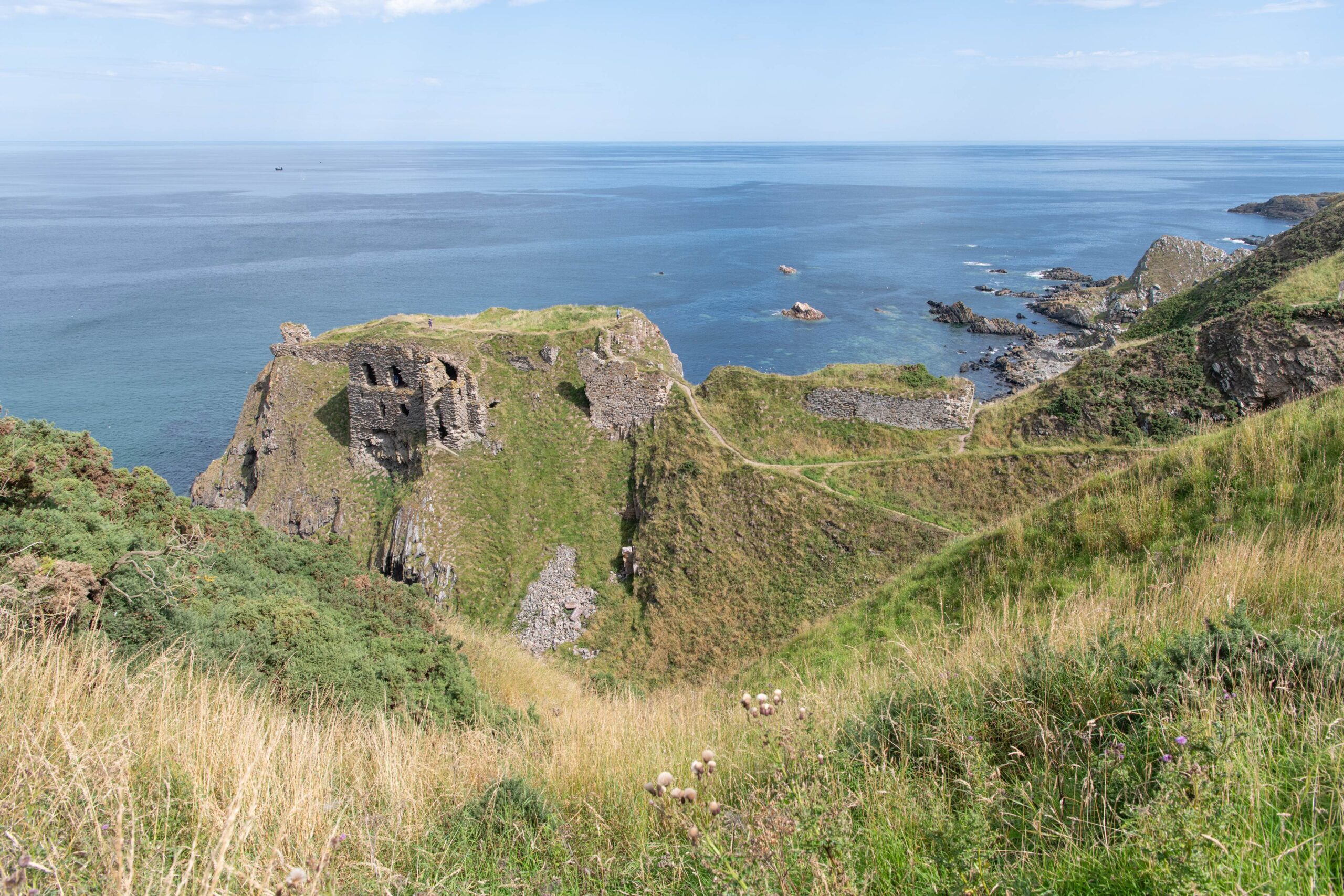
Findlater Castle from land.
Rebuilding the castle
While we know that there was a fortification at Findlater in the 13th century, the remains which we can see today come from a later programme of rebuilding. In the middle of the 14th century the castle was owned by the Sinclair family. Sir John Sinclair of Findlater built a new castle on this site. He appears to have modelled it after his family’s castle at Rosslyn, Midlothian. This phase of rebuilding is responsible for most of the castle we can see today.
The 14th-century castle was made up of a main hall building up to four storeys tall, with a tower looking over the sea. This building contained the hall, great chamber, kitchen, vaults and prison. The rest of the promontory contained additional buildings, such as stables and apartments. At the other end of the causeway, a rectangular forecourt, surrounded by a ditch and curtain wall, held additional buildings related to the tunning of the castle.
Additional fortifications were added in the 15th century by the Oglivy family, who would live in the castle for over 200 years.
The Spirit of Findlater Castle
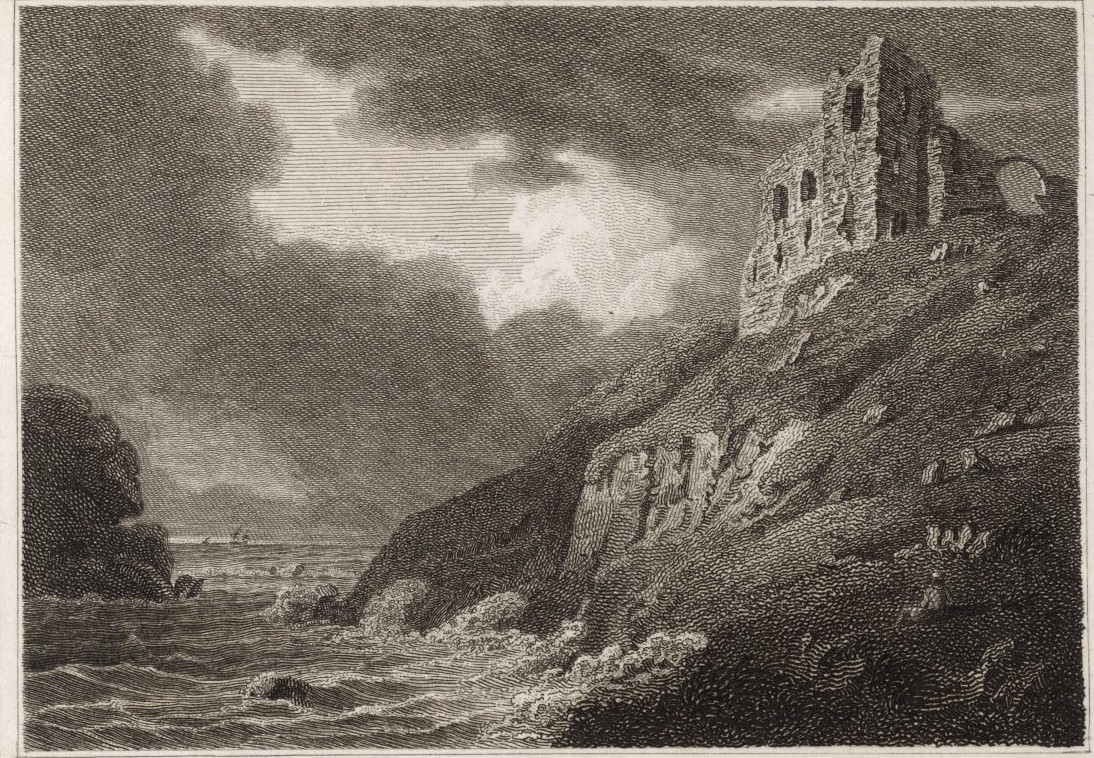
1805 engraving of Findlater Castle on cliff above sea. Courtesy of HES (Illustrations in ‘Views in Scotland’). View on trove.scot.
In 1638 James Ogilvy was elevated from Lord to 1st Earl of Findlater. Following this promotion, the Ogilvy family moved out of Findlater Castle to the newly-constructed Cullen House. With no one living in the castle, the exposure to the elements meant that it quickly fell into ruin.
Locals tell of one remaining resident of Findlater Castle, however. There have been reports from visitors to Findlater of strange occurrences, particularly when standing near the openings facing the sea – chills, unexplained footsteps, a feeling of being watched. There have even been sightings of a figure appearing at openings in the castle wall, looking to the rocks below.
Some say the castle is haunted by the spirit of a nursemaid. The story goes that she was holding a young boy near a window overlooking the sea, when the boy wriggled loose and fell to the rocks below. Desperate to save the boy, the nurse tumbled after him, falling to her death.
A new life on screen
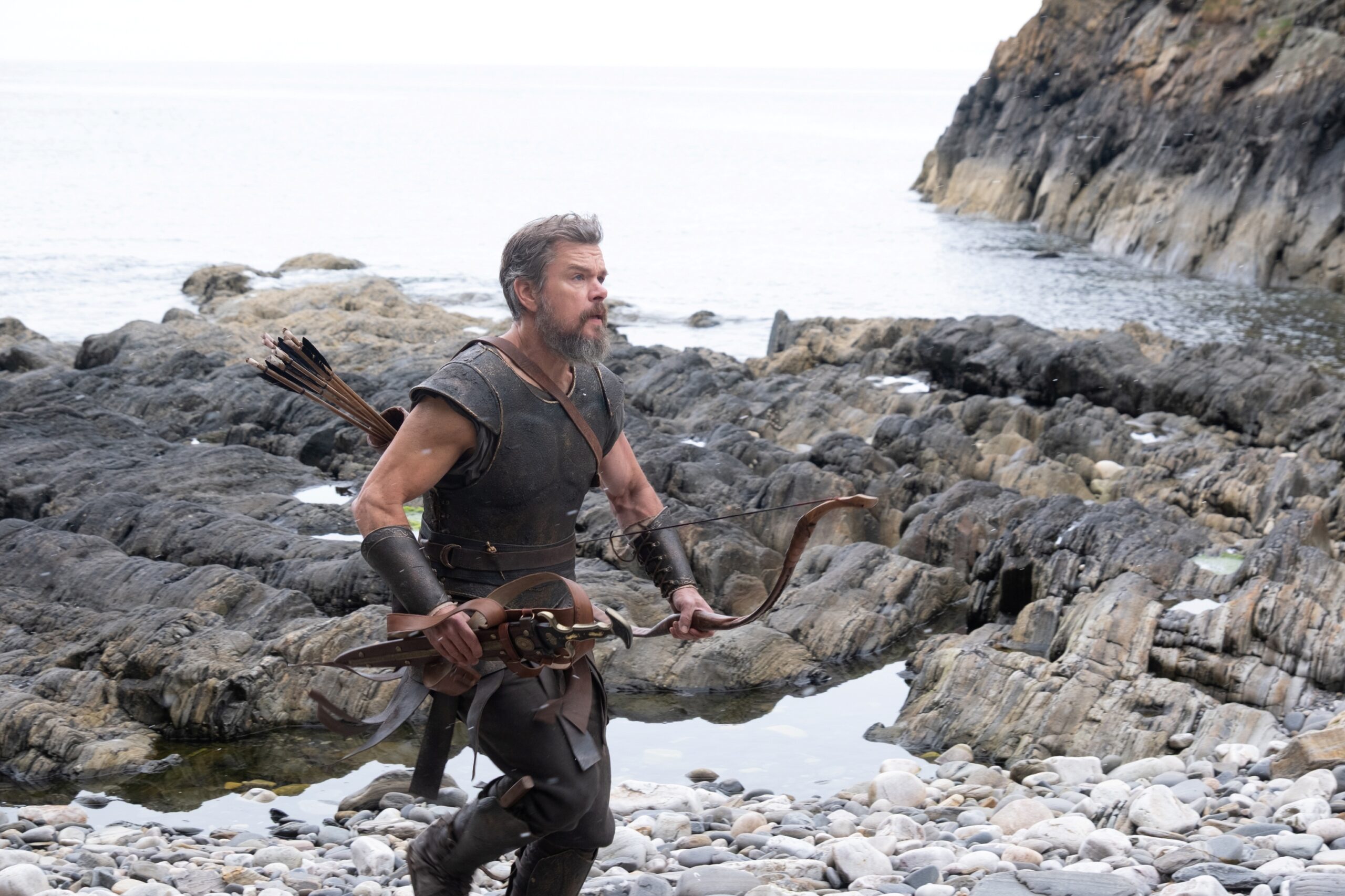
Matt Damon as Odysseus approaching the castle. © Universal Studios. All Rights Reserved
Recently, Findlater Castle has had a new life on the international stage, as it was used as a filming location for Christopher Nolan’s The Odyssey. Findlater Castle stood in as Aeaea, the island home to the Ancient Greek goddess Circe. The director made use of the castle’s dramatic setting and rugged character to set the scene for the Ithicans’ introduction to the witch goddess.
Film viewers can see Matt Damon’s Odysseus land on the bay overlooked by Findlater Castle, and make his way up to Circe’s cottage. This was built on location, next to the rectangular forecourt next to the promontory. We worked with the filmmakers to ensure that the set was designed to have no impact on the archaeological remains. We work with filmmakers on many of our own properties, allowing them to be seen across the world, while protecting our historic places.
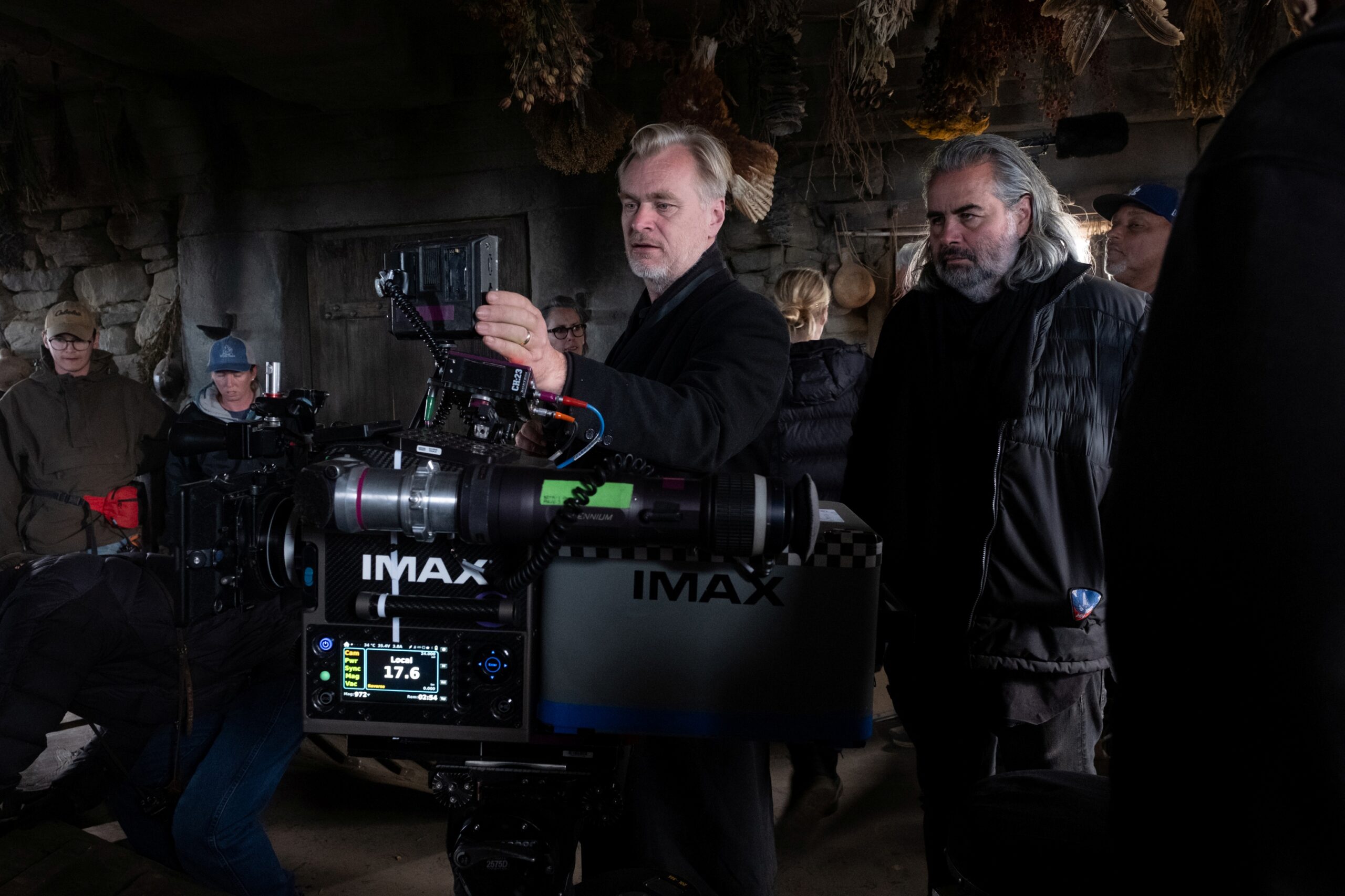
Filming inside Circe’s cottage on location at Findlater Castle. © Universal Studios. All Rights Reserved
Future of Findlater
Unfortunately, Findlater’s commanding position on the Moray Coast means it is very vulnerable to the forces of climate change. Increased levels of rain and wind mean that the surviving walls are getting weaker. Like many historic places, we are at risk of losing this evidence of the past forever.
Findlater Castle is currently open to the public, but the ongoing erosion means that entry to the castle can be dangerous. We recommend viewing the castle from outside the walls themselves, being sure to take care on the slopes and cliffsides.
Find out more
Interested in more Scottish film locations? Discover some of the films and TV shows that have featured Historic Scotland sites on our website. Or read more on our blog.
You can find out more about Findlater Castle on our archives on trove.scot and in our designations portal.
Share
About Author